Record-breaking transfers, unprecedented spending and several dramatic deadline-day collapses defined the 2026 summer Premier League transfer window, which closed Tuesday in Europe’s major leagues.
Manchester City emerged as the biggest spender after committing £440.3 million ($594 million) to new players, while Premier League clubs collectively spent a record £3.48 billion.
The English top flight surpassed the previous summer’s record of £3.19 billion, underlining its growing financial advantage over the rest of Europe.
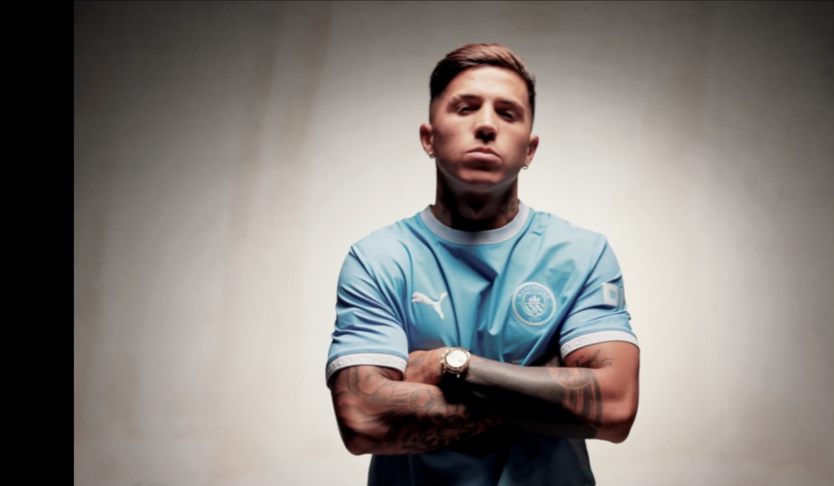
On deadline day, Enzo Fernandez completed the window’s most expensive transfer, moving from Chelsea to Manchester City for a reported £125 million.
The fee equaled the British transfer record and made the Argentina midfielder the first player to be transferred for more than £100 million twice, having joined Chelsea from Benfica for around £106.8 million in January 2023.
Fernandez signed a five-year contract with City as new head coach Enzo Maresca continued a major overhaul of the squad.
City had already paid Nottingham Forest £116 million for English midfielder Elliot Anderson, another of the window’s biggest moves.
Morgan Rogers joined Chelsea from Aston Villa for £117 million. becoming the most expensive English player in history.
Liverpool signed France forward Bradley Barcola from Paris Saint-Germain for an initial £107 million, with add-ons potentially taking the deal to £123 million.
Fernandez, Rogers, Anderson and Barcola were four of the 11 most expensive signings in Premier League history, illustrating the extraordinary scale of the spending.
The largest transfer outside England saw Real Madrid acquire Ivory Coast winger Yan Diomande from RB Leipzig for a reported £106.7 million.
Manchester City spent more than any club, with an outlay of £440.3, marking the beginning of a new era following Pep Guardiola’s departure after a decade in charge.
In addition to Fernandez and Anderson, City also signed Ayyoub Bouaddi for £85.7 million, Iliman Ndiaye for up to £65 million and Allan Elias for £32 million.
The investment was partly offset by outgoing transfers, including the sales of Savinho, Nico Gonzalez, Tijjani Reijnders, Rodri, James Trafford and Nathan Ake.
Chelsea ranked second among Premier League clubs with spending of £342.4 million.
Their headline acquisition was Rogers, while new head coach Xabi Alonso also brought in Maxence Lacroix for £52 million, Marco Palestra for £47 million and Geovany Quenda for £40 million.
Manchester United concentrated their investment on the midfield, signing Carlos Baleba for £70 million, Andrey Santos for £50 million and Youri Tielemans for £35 million.
PSG signed Mika Godts for up to €55 million, Ferran Torres and Maghnes Akliouche for about €50 million each and Lucas Digne for a reported €7 million.
Neither United nor PSG approached City’s overall expenditure, making the Manchester club the clear financial leaders of the window.
The Premier League’s control of the transfer market is not a recent development.
English clubs have been the biggest spenders during most of the past decade, but the gap between the Premier League and Europe’s other leading competitions has grown substantially.
Premier League clubs spent £3.48 billion in the summer of 2026, compared to £843.6 million in Serie A, £603.5 million in La Liga, £507.6 million in the Bundesliga and £490.6 million in Ligue 1, according to Sky Sports.
Much of the money also remained within the English top flight, with almost 40% of Premier League transfer spending going to other clubs in the division.
Even the promoted clubs demonstrated the league’s financial strength, with Ipswich Town, Coventry City and Hull City spending more than £400 million collectively as they prepared for the top flight.
The figures showed that the Premier League’s advantage extends beyond its traditional leading clubs, with newly promoted and mid-table teams increasingly able to outspend established sides elsewhere in Europe.
Several clubs ended the window without completing important moves, despite the record expenditure.
The most public dispute involved Barcelona’s pursuit of Atletico Madrid forward Julian Alvarez.
Barcelona President Joan Laporta confirmed the club’s interest, prompting Atletico to accuse the Catalan side of trying to unsettle the Argentina international.
Speaking to Spanish broadcaster Movistar Plus, Atletico CEO Miguel Angel Gil Marin accused Barcelona of dishonesty and a lack of ethics, transparency and professionalism, saying that if Alvarez left Atletico, “it will never, ever be Barcelona.”
Barcelona Vice President Rafa Yuste told the broadcaster that Gil Marin’s remarks showed a “lack of manners and respect” and had crossed a red line.
Although Alvarez reportedly favored Barcelona, Atletico’s board ruled out negotiations with the Catalan club and instead viewed Arsenal as its preferred alternative. The forward, however, decided against returning to the Premier League and remained at Atletico.
Chelsea’s proposed £47.1 million move for Monaco midfielder Lamine Camara also collapsed on deadline day after Monaco withdrew from a deal that had reportedly been close to completion.
Everton initially attempted to sign Manchester United forward Joshua Zirkzee on loan but had their approach rejected. They later agreed a deal worth around £40 million for Monaco’s Folarin Balogun, but the US international decided against completing the move after undergoing a medical.
The closure of the transfer window did not bring all recruitment activity to an end, as players without contracts can still join clubs as free agents.
Philippe Coutinho, Oleksandr Zinchenko, Jadon Sancho, Raheem Sterling, David Alaba, Dani Carvajal and Mauro Icardi were among the prominent players still listed as available after the deadline.
Their experience could attract clubs seeking reinforcements without paying transfer fees, although salary demands, injury histories and recent form may complicate potential agreements.
Dani Ceballos also spent much of the summer without a club after leaving Real Madrid, but the Spanish midfielder completed a return to Real Betis on a three-year contract.
Manchester City were among the window’s clear winners after giving Maresca a substantially rebuilt squad, although such unprecedented investment brings considerable pressure to deliver immediate results.
Chelsea added one of England’s most highly rated attackers in Rogers and raised significant income through sales, but the failure to replace Fernandez could leave the midfield unbalanced.
Liverpool secured Barcola in another nine-figure deal, while Real Madrid added one of Europe’s most exciting young wingers in Diomande.
Arsenal, Everton and Manchester United face some of the clearest risks.
Arsenal ended the window with Kai Havertz and Viktor Gyokeres as their main center-forward options after Gabriel Jesus joined Barcelona, while Everton were left with Thierno Barry as their only recognized senior striker following Beto’s move to Fiorentina.
United strengthened their midfield but did not recruit a specialist left-back despite targeting Newcastle United’s Lewis Hall and considering other options.
Luke Shaw remains United’s only recognized senior left-back, with right-backs Diogo Dalot and Noussair Mazraoui able to provide cover.
That lack of defensive depth could prove costly during a long season, and highlighted the central lesson of another frantic transfer window: spending heavily does not guarantee that every weakness has been addressed.
news_share_descriptionsubscription_contact

contact_the_ombudsman
is_there_an_error_in_this_story