SÃO PAULO
Strike action by dock workers in the key shipping port of Santos, the largest in Brazil and South America located in São Paulo state, prevented thirteen contained ships from being loaded on Wednesday. However, the stoppage – which is over fears port reforms will lead to job losses and benefits – was called off early in favor of walking out in a broader union protests on Thursday.
Mechanized shipments of key commodities, such as of soybean, were not affected.
Workers at other ports decided not to strike on Wednesday, also in favour of joining the nationwide walkout on Thursday, the National Stevedores’ Associate said.
Dockworkers argue that a new private container terminal – Embraport – is not hiring through OGMO, a centralized contracting agency, after legislation passed earlier this year meant employers did not have to contract workers through the agency. The ports bill facilitated the privatization of port terminals in an attempt to boost competitiveness and reduce bottlenecks with freight.
The strikes come after a protest by lorry drivers hampered deliveries at major ports last week; dockworkers at Santos also staged a two-day walkout in May.
São Paulo bus chaos expected on Thursday
Nationwide strikes by drivers and conductors are also expected to paralyze bus services across São Paulo on Thursday, after seventeen of the city’s 29 bus terminals were closed by workers on Wednesday.
Around 400 of the city’s 1,340 bus routes were stopped on Wednesday, and Sao Paulo Transport said some 750,000 passengers had had their journeys disrupted by the stoppages.
A “National Day of Struggles” has been called for Thursday and hopes to inspire walkouts in São Paulo and other state capitals across the country.
If all 29 bus terminals are forced to close, transport could be seen across the city - Brazil’s biggest.
Key union figures are expected to unite in front of the São Paulo Museum of Art, MASP at noon on Thursday, which could bring the city’s central business avenue, Avenida Paulista, to a standstill.
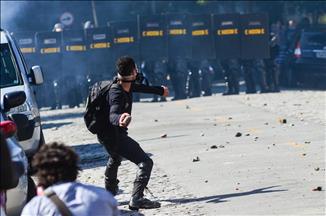
The strikes come on the heels of nationwide protests against a range of grievances, including the quality of public services. A price rise in buses in São Paulo at the beginning of June sparked a wave of protests and swelled to countrywide proportions. Over 1.25 million people took to the streets to protest.