Fabrics colored with traditional methods in Nigeria
Fabrics colored with traditional methods in Nigeria
Fabrics are colored traditionally in Kofar Mata dye wells, in Kano, Nigeria
Zulyadain Isa Bilo • 10 August 2023 • update: 10 August 2023
Fabrics colored with traditional methods in Nigeria
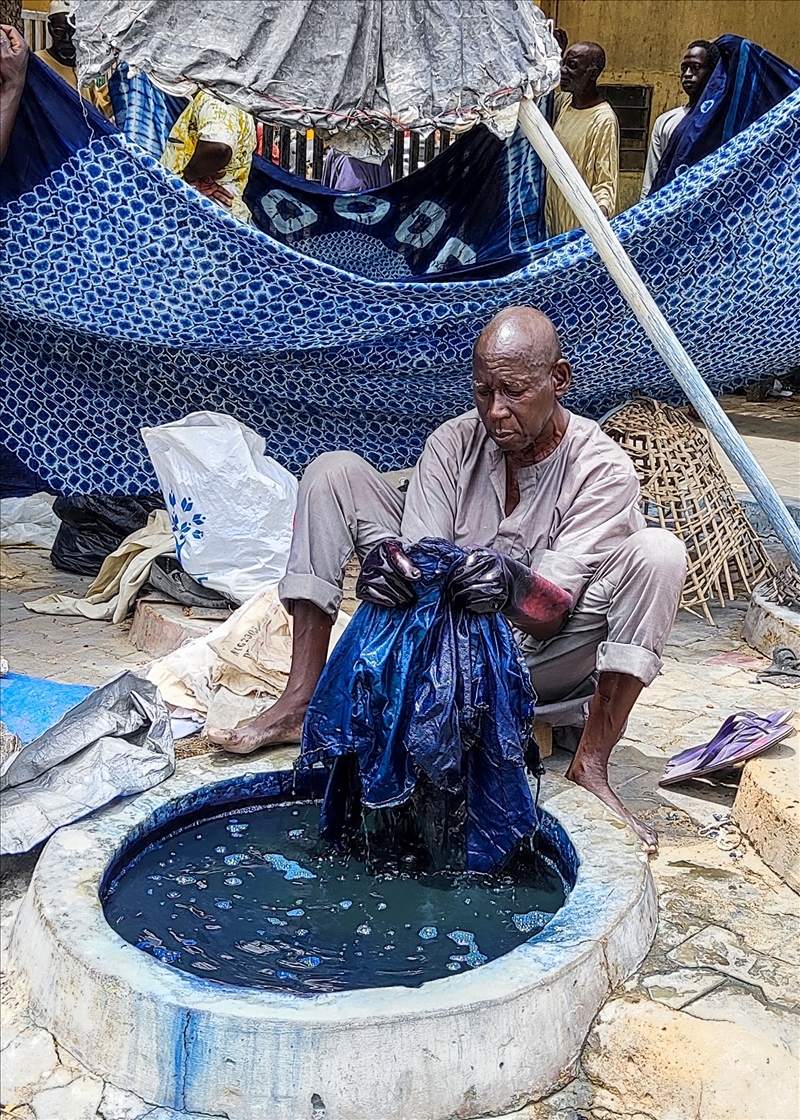
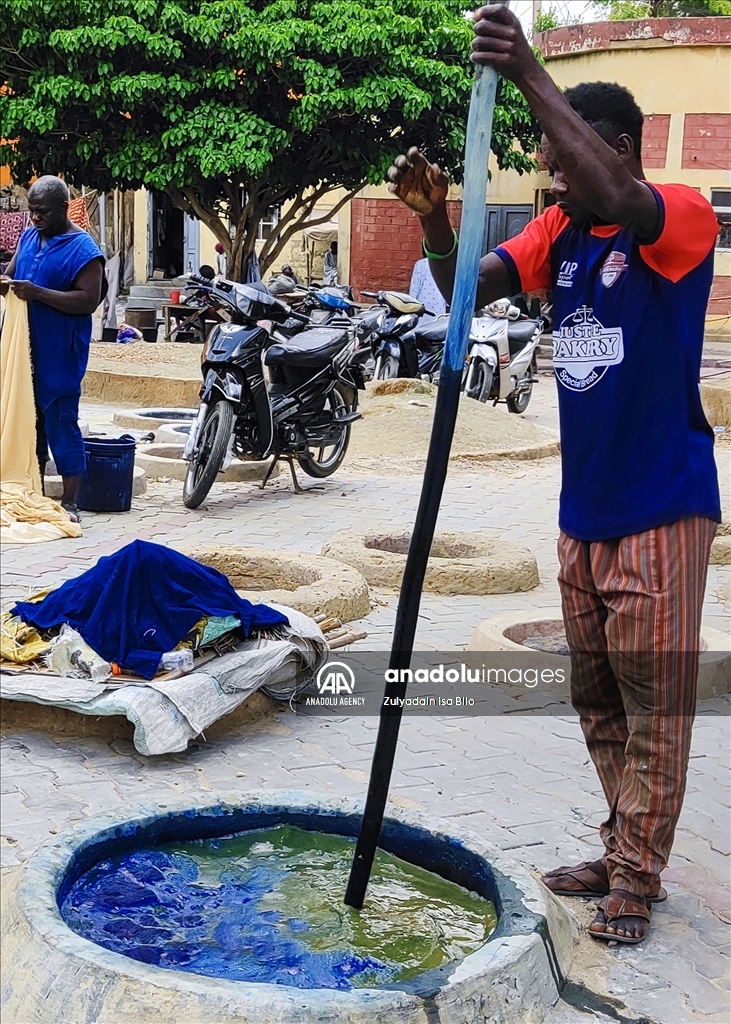
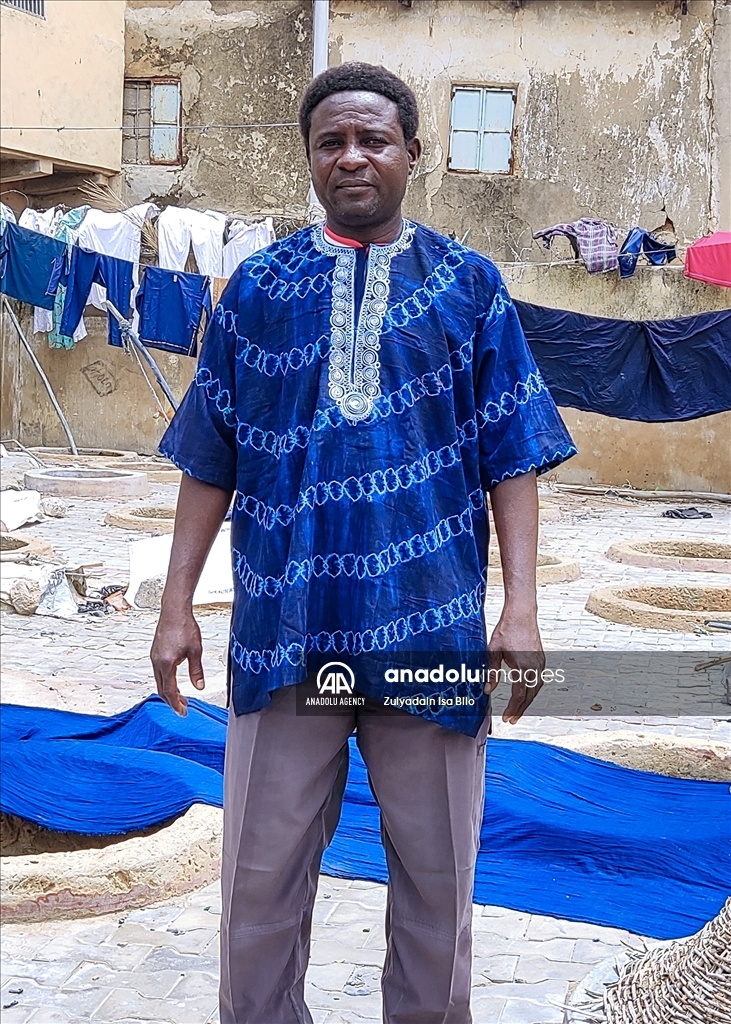
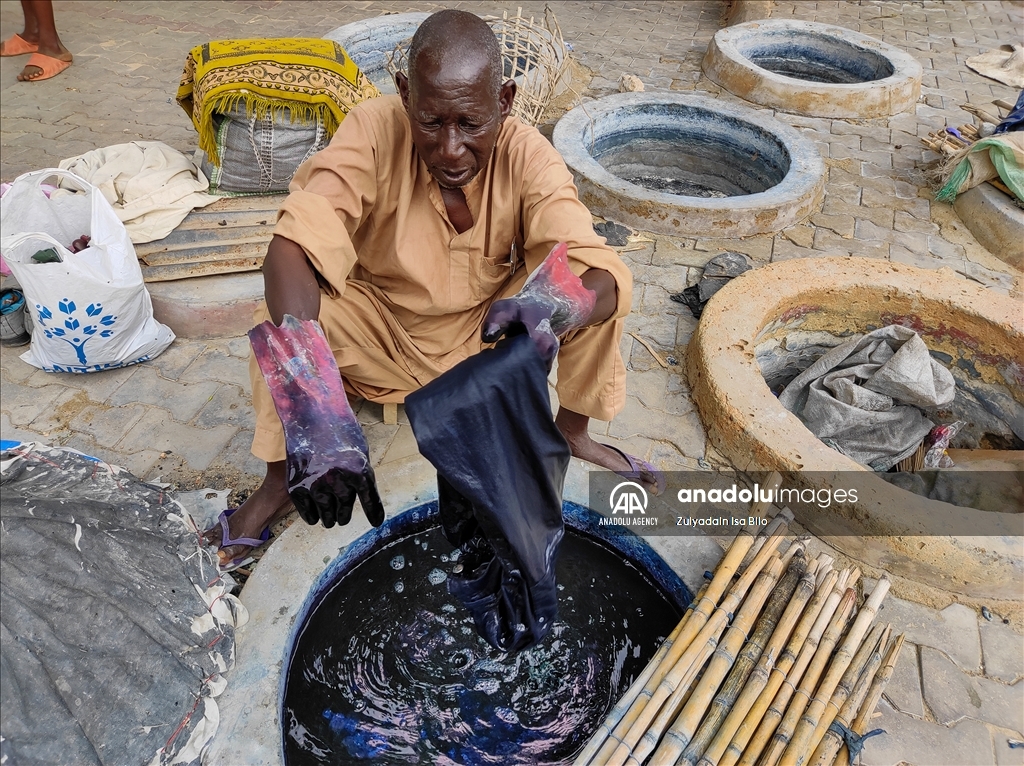
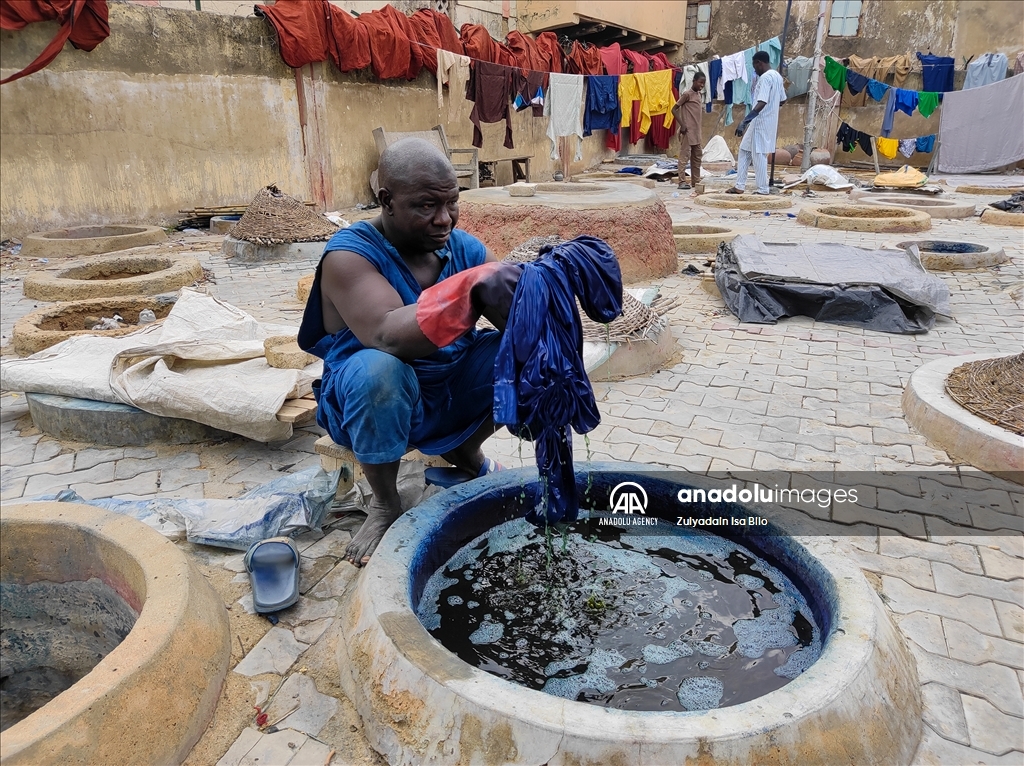
KANO, NIGERIA - AUGUST 09: Fabrics are colored traditionally in Kofar Mata dye wells, in Kano, Nigeria on August 09, 2023. With the traditional method, which has not changed for many years, the dye obtained from the "Indigo" tree is left to ferment for a few months by adding ash and some additives to it in centuries-old wells. Then, the fabrics to be dyed are immersed in wells containing every shade of blue and subjected to drying.
( Zulyadain Isa Bilo - Anadolu Agency )Zulyadain Isa Bilo
Fabrics colored with traditional methods in Nigeria
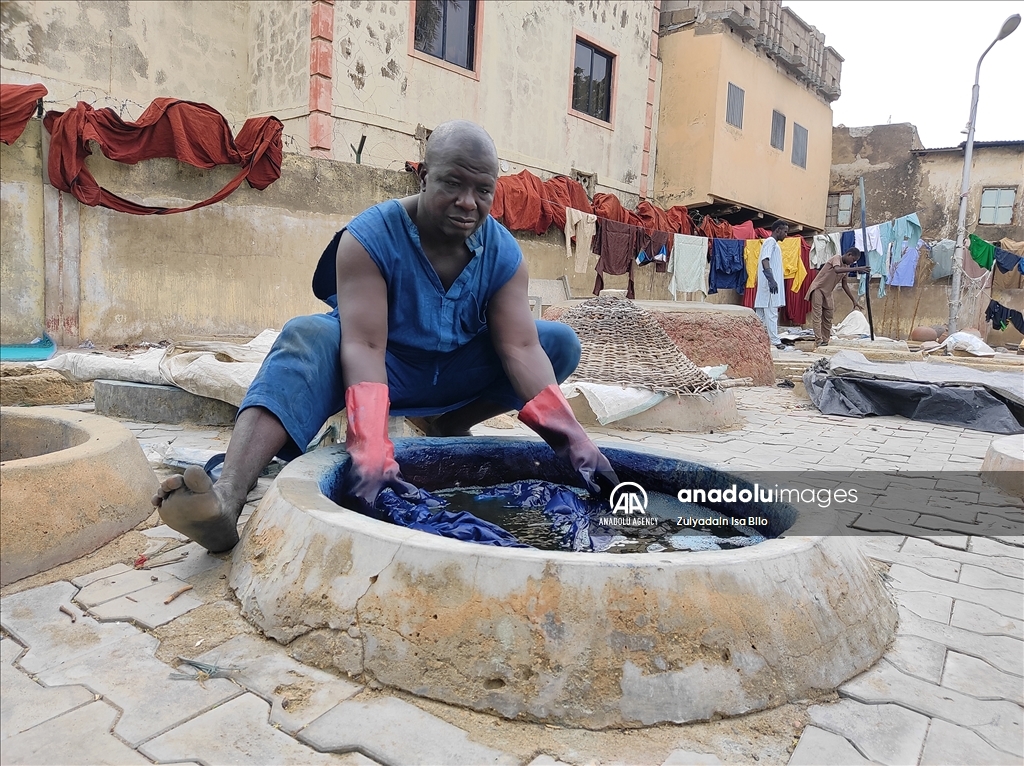
KANO, NIGERIA - AUGUST 09: Fabrics are colored traditionally in Kofar Mata dye wells, in Kano, Nigeria on August 09, 2023. With the traditional method, which has not changed for many years, the dye obtained from the "Indigo" tree is left to ferment for a few months by adding ash and some additives to it in centuries-old wells. Then, the fabrics to be dyed are immersed in wells containing every shade of blue and subjected to drying.
( Zulyadain Isa Bilo - Anadolu Agency )Zulyadain Isa Bilo
Fabrics colored with traditional methods in Nigeria
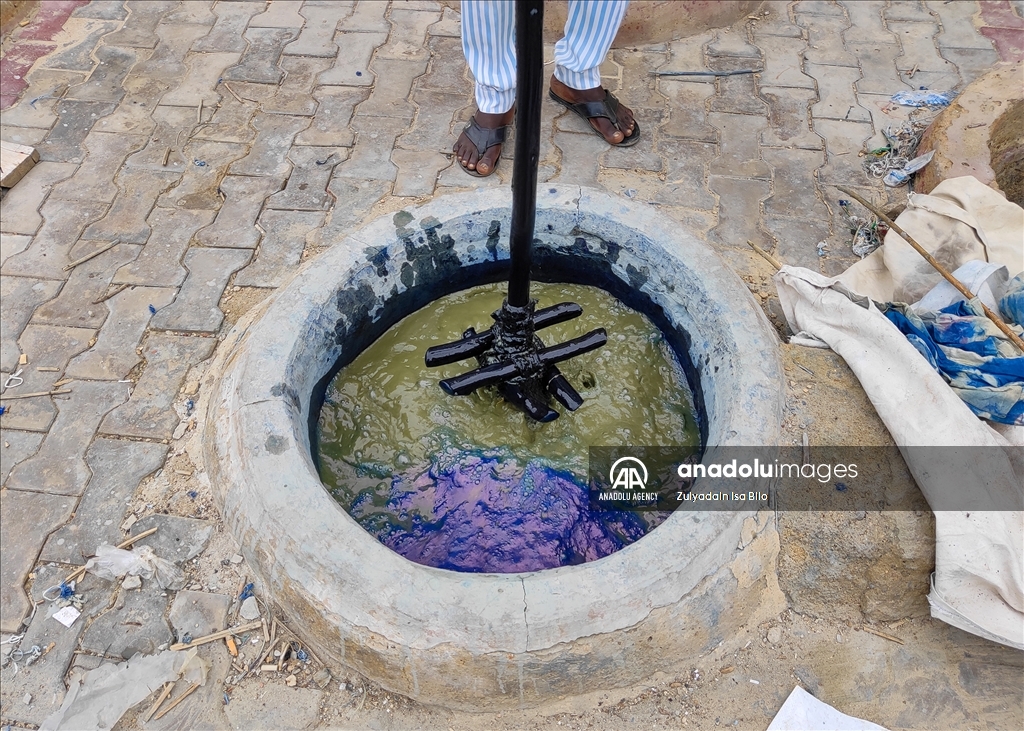
KANO, NIGERIA - AUGUST 09: Fabrics are colored traditionally in Kofar Mata dye wells, in Kano, Nigeria on August 09, 2023. With the traditional method, which has not changed for many years, the dye obtained from the "Indigo" tree is left to ferment for a few months by adding ash and some additives to it in centuries-old wells. Then, the fabrics to be dyed are immersed in wells containing every shade of blue and subjected to drying.
( Zulyadain Isa Bilo - Anadolu Agency )Zulyadain Isa Bilo
Fabrics colored with traditional methods in Nigeria
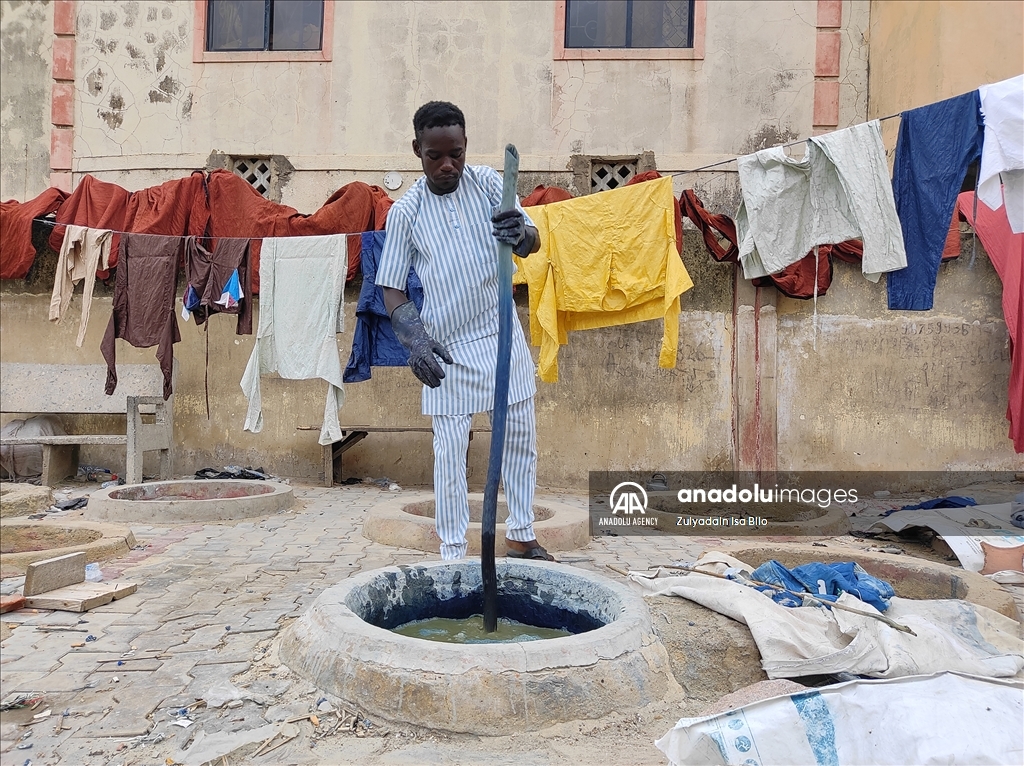
KANO, NIGERIA - AUGUST 09: Fabrics are colored traditionally in Kofar Mata dye wells, in Kano, Nigeria on August 09, 2023. With the traditional method, which has not changed for many years, the dye obtained from the "Indigo" tree is left to ferment for a few months by adding ash and some additives to it in centuries-old wells. Then, the fabrics to be dyed are immersed in wells containing every shade of blue and subjected to drying.
( Zulyadain Isa Bilo - Anadolu Agency )Zulyadain Isa Bilo
Fabrics colored with traditional methods in Nigeria
KANO, NIGERIA - AUGUST 09: Fabrics are colored traditionally in Kofar Mata dye wells, in Kano, Nigeria on August 09, 2023. With the traditional method, which has not changed for many years, the dye obtained from the "Indigo" tree is left to ferment for a few months by adding ash and some additives to it in centuries-old wells. Then, the fabrics to be dyed are immersed in wells containing every shade of blue and subjected to drying.
( Zulyadain Isa Bilo - Anadolu Agency )Zulyadain Isa Bilo
Fabrics colored with traditional methods in Nigeria
KANO, NIGERIA - AUGUST 09: Fabrics are colored traditionally in Kofar Mata dye wells, in Kano, Nigeria on August 09, 2023. With the traditional method, which has not changed for many years, the dye obtained from the "Indigo" tree is left to ferment for a few months by adding ash and some additives to it in centuries-old wells. Then, the fabrics to be dyed are immersed in wells containing every shade of blue and subjected to drying.
( Zulyadain Isa Bilo - Anadolu Agency )Zulyadain Isa Bilo
Fabrics colored with traditional methods in Nigeria
KANO, NIGERIA - AUGUST 09: Fabrics are colored traditionally in Kofar Mata dye wells, in Kano, Nigeria on August 09, 2023. With the traditional method, which has not changed for many years, the dye obtained from the "Indigo" tree is left to ferment for a few months by adding ash and some additives to it in centuries-old wells. Then, the fabrics to be dyed are immersed in wells containing every shade of blue and subjected to drying.
( Zulyadain Isa Bilo - Anadolu Agency )Zulyadain Isa Bilo