Said Amori
April 06, 2026•Update: April 06, 2026
Israel has incurred around $15 billion in costs since the start of its wars against Iran and Lebanon's Hezbollah group, with the figure expected to rise as fighting continues and the economic repercussions deepen, a Hebrew-language newspaper reported Sunday.
The Calcalist business daily said the cost of the ongoing wars with Iran and Hezbollah has reached around 47 billion shekels, or $15 billion.
The newspaper said the Israeli Defense Ministry has requested around 39 billion shekels, equivalent to $12.4 billion, to cover military expenditures, with the amount expected to increase if the war continues or similar rounds of fighting recur.
According to the daily, the wars have increased the likelihood of a long-term rise in Israel’s security budget rather than the reductions previously expected amid preparations for possible future confrontations with Iran and Hezbollah.
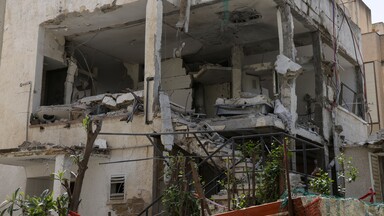
On the civilian side, the paper said around 26,000 compensation claims have been filed for missile-related damage, estimated at between 1 billion and 1.5 billion shekels, or $320 million to $479 million.
However, it said the main burden stems from a compensation plan for businesses and workers estimated at between 6.5 billion and 7 billion shekels, or $2.1 billion to $2.23 billion.
The report added that around half a billion shekels, or $160 million, would also be needed to cover workers placed on unpaid leave.
The newspaper said the Israeli government is likely to push for easing restrictions on economic activity in an effort to limit losses and reduce the war’s impact on the economy.
The war began after the US and Israel launched a joint offensive on Iran on Feb. 28, triggering weeks of missile exchanges and military escalation that have killed more than 1,340 people, including then-Iranian Supreme Leader Ayatollah Ali Khamenei.
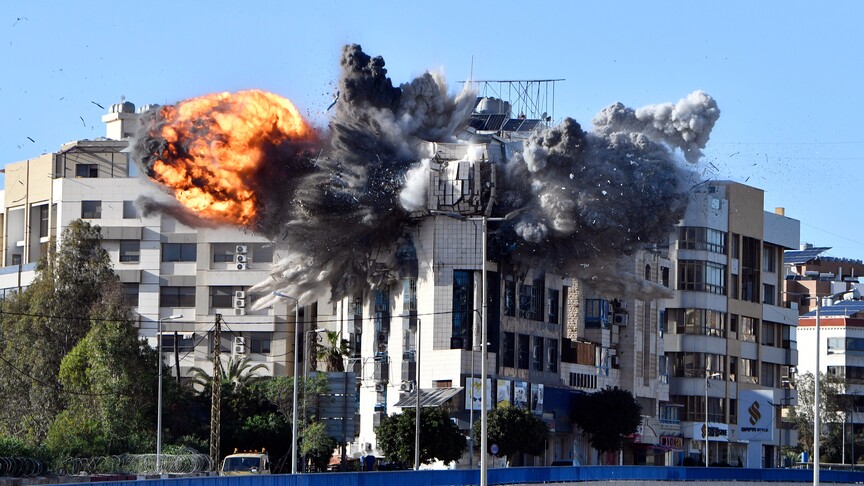
At the same time, Israel has expanded its military campaign in Lebanon following a cross-border attack by Hezbollah on March 2, carrying out airstrikes and a ground offensive despite a ceasefire that took effect in November 2024.
*Writing by Tarek Chouiref