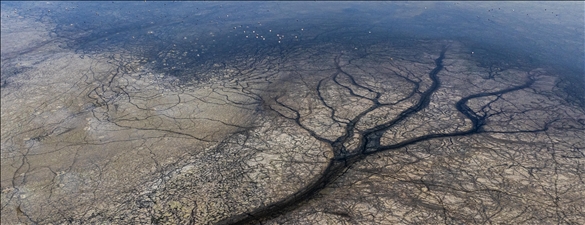
Chronic drought grips Türkiye as 2-year rainfall deficit deepens


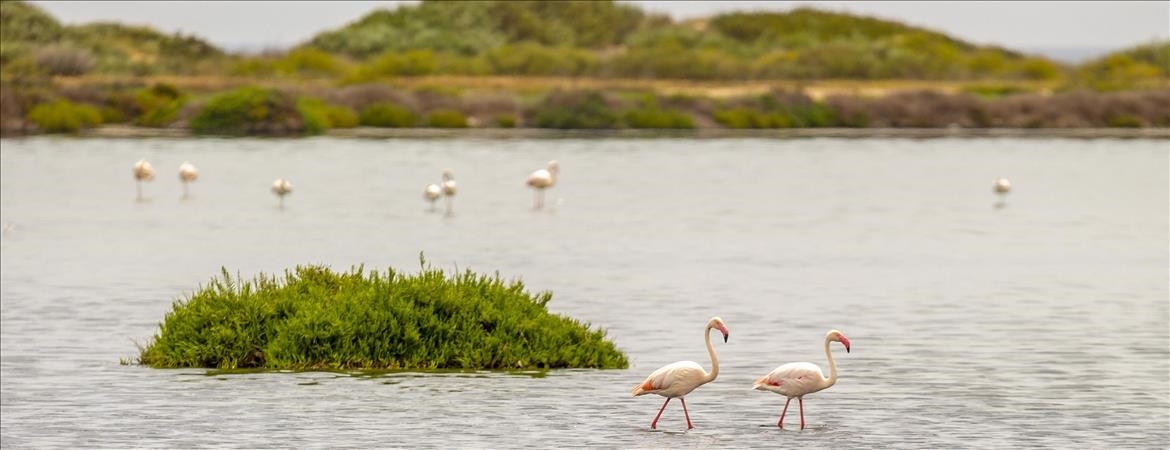
Wetlands bring together terrestrial, coastal and marine habitats, combining different living environments within a single ecosystem.
Wetlands are considered to be among the most significant ecosystems on the planet due to their inherent functions and economic value. These ecosystems are found across a wide range of climate zones, spanning from oceans to mountains, alpine regions to tropical areas.
There are many types of wetlands, including marshes, lakes, rivers, peatlands, floodplains, deltas, salt marshes, mangroves, seagrass beds, coral reefs and coastal zones deeper than six meters at low tide.
Wetlands host a rich biodiversity. They provide habitat for more than 10 percent of all known animal species and 50 percent of all fish species worldwide.
Functions of wetlands
They purify water by trapping sediments and toxic substances or by absorbing nutrients such as nitrogen and phosphorus.
Their water resources provide water and aquatic environments for humans and other living beings. They recharge groundwater, regulate water regimes, improve water quality, and reduce the impacts of floods and inundations.
By increasing humidity in their surrounding areas, they positively influence climate elements, particularly precipitation and temperature.
They allow many species to survive with their rich plant and animal diversity, especially fish and waterfowl.
Through activities such as fisheries, agriculture, livestock production, reed harvesting and tourism, wetlands contribute significant economic value to local and national economies.
What is a constructed wetland?
In addition to natural wetlands, wastewater treatment ponds and reservoirs formed by large dams are defined as “constructed wetlands” (artificial wetlands).
These consist of lakes or shallow artificial channels where aquatic plants live.
How constructed wetlands work
In practice, wetlands promote the growth of microorganisms that break down complex organic matter through chemical, physical and biological processes.
The operation of the system relies on emergent or floating aquatic plants. Most floating species are used in designs with relatively shallow channels where solids are removed through sedimentation or absorption into the plant root system.
Constructed wetlands adapt well to tropical climates and are recommended especially for rural and sparsely populated areas due to their low cost, ease of operation and maintenance, and landscape-integration potential.
The two most common types of constructed wetlands are free-water surface wetlands and subsurface flow wetlands.
Advantages of constructed wetlands
Limitations of constructed wetlands
The efficiency of wetland treatment can vary with seasonal environmental conditions such as precipitation and drought.
Constructed wetlands are economically viable only where land is abundant and inexpensive.
They are sensitive to toxic chemicals such as ammonia and pesticides; the presence of such pollutants may temporarily reduce treatment efficiency.