Zoltan Egeresi
14 April 2025•Update: 17 April 2025
- The current geopolitical shifts present an opportunity to reinvigorate cooperation between Türkiye and the European Union, offering a renewed chance to deepen ties and reestablish mutual trust
- Türkiye’s strategic position in the Middle East and its crucial role in controlling irregular migration flows that could impact the European continent underscore its significance as an indispensable partner
- The author is a research fellow at Ludovika University of Public Service
ISTANBUL
Since the leadership transition in the United States on January 20, international politics has become increasingly volatile and unpredictable, and deepening mistrust is casting a shadow over transatlantic relations. The Trump administration's strong rhetoric regarding the necessity of increased European military expenditure, coupled with its unilateral approach to managing the war in Ukraine without consulting European partners, raised alarm in numerous capitals across the continent. This apprehension was further exacerbated by the unsuccessful and ill-fated meeting between the American and Ukrainian presidents at the White House in late February.
Military cooperation
The potential resurgence of classical power politics and spheres of influence, dominated by great and middle powers, accompanied by a more reluctant US engagement, has left European states in a precarious position as the war in Ukraine continues with no clear end in sight. While Russia continues its military offensive against Ukraine despite American efforts to broker peace, the reliability of US commitments to its European allies has come under scrutiny. Consequently, European countries have been compelled to enhance military cooperation and increasingly rely on their own resources. In recent weeks, several high-level meetings have taken place in France and the United Kingdom, attended by a range of European leaders. In early March, Türkiye also took part in the London Summit, indicating its readiness to support European security initiatives. This evolving geopolitical vacuum -- often described as “European strategic loneliness,” has elevated Türkiye’s importance, creating new opportunities on the international stage.
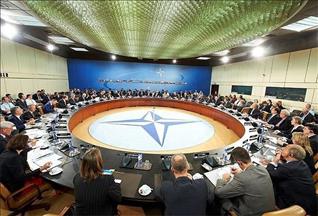
Türkiye, which possesses the second-largest standing army in NATO and a rapidly expanding defense industry, has emerged as a key player in European security. The country has gained significant prominence in the global defense market due to its advancements in drone technology. Moreover, the Turkish military has undergone significant modernization and capability enhancement, particularly in the areas of cross-border operations and the establishment of overseas military bases in the Middle East and the Horn of Africa. In addition to land-based capabilities, recent years have witnessed notable advancements in Turkish naval power, including the commissioning of the TCG Anadolu, a short-runway carrier that enhances the country’s force projection capacity.
Geopolitics as a core factor
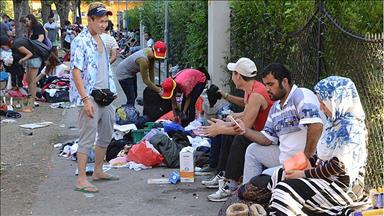
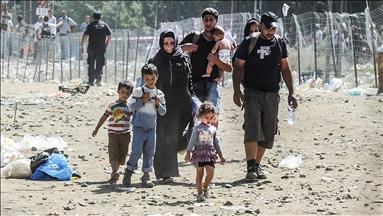
Beyond its military capabilities, Türkiye's geopolitical alignment with Europe has further solidified its relevance in the evolving security landscape. As a staunch supporter of Ukraine’s territorial integrity, Türkiye has actively positioned itself as a mediator between Kyiv and Moscow. Its role was instrumental in facilitating initial negotiations between the conflicting parties in the early stages of the war, and it served as a key intermediary for the Black Sea Grain Initiative, ensuring the safe transit of grain exports from designated ports. Furthermore, Türkiye’s strategic position in the Middle East and its crucial role in controlling irregular migration flows that could impact the European continent underscore its significance as an indispensable partner. However, divergent interests between Türkiye and several EU member states continue to pose challenges to cooperation.
Additionally, the shifting geopolitical dynamics may provide renewed impetus for Türkiye’s EU accession process, which has remained stalled for years. If domestic political developments in Türkiye align with European expectations, the negotiation process could gain momentum. Nevertheless, several EU member states are likely to capitalize on the current geopolitical environment to strengthen their own defense industries and establish a dominant position within the European market, making Turkish participation in joint projects plausible but not guaranteed. However, the Turkish defense industry is in a significantly stronger position than it was a decade ago. In recent years, several Central European countries, including Poland and Hungary, have procured Turkish military products, thereby securing a foothold for Turkish defense exports within the EU.
The evolving geopolitical landscape and persistent instability may enhance Türkiye's bargaining power in its relations with the European Union. Key issues such as visa liberalization and the modernization of the EU-Türkiye Customs Union Agreement (in force since 1996) will require reassessment within the broader context of European-Turkish relations. The Turkish government has remained steadfast in its pursuit of full EU membership and remains committed to this objective as part of its long-term strategic vision.
In sum, Türkiye plays an increasingly pivotal role in Europe's emerging security architecture amid the ongoing transformation of the international order. The current geopolitical shifts present an opportunity to reinvigorate cooperation between Türkiye and the European Union, offering a renewed chance to deepen ties and reestablish mutual trust.
*Opinions expressed in this article are the author’s own and do not necessarily reflect Anadolu's editorial policy.