Seyma Erkul Dayanc
07 September 2026•Update: 07 September 2026
The Irish government is proposing to increase the residency requirement for citizenship from five to eight years and introduce a language test for applicants.
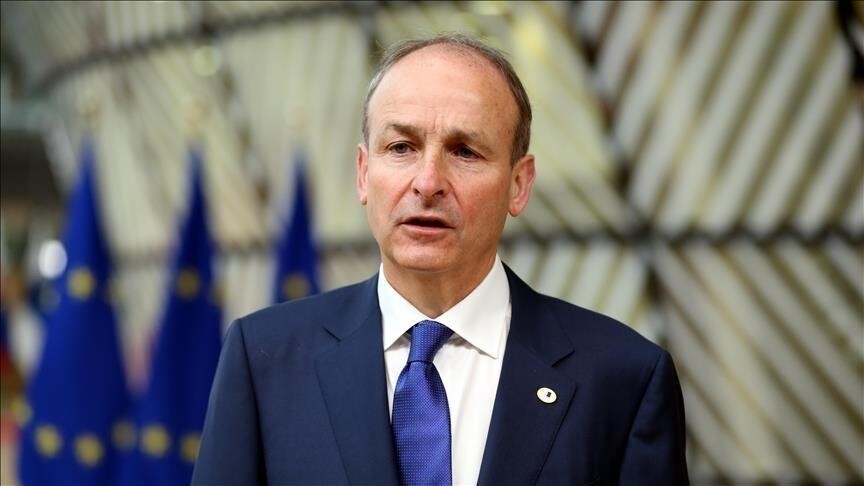
“This is bringing us more in line with other European Union member states ... first of all ensuring that the residency would go go from five to eight years. Also in terms of language, English language and some very basic Irish language familiriazation would be aspects of that," Prime Minister Michael Martin told reporters.
“And also ensuring that with citizenship comes the capacity to contibute to the society ... and that the balance is right between independence, self-reliance, as opposed to total dependency.”
Justice Minister Jim O’Callaghan is due to bring the proposed changes to Cabinet this week as part of an overhaul of Ireland’s naturalization system.
Applicants would have to demonstrate proficiency in English or Irish, knowledge of Irish civics and that they are economically self-sufficient.
O’Callaghan described the proposals as the biggest reform of Ireland’s citizenship rules in a generation.
The proposed legislation would also introduce a separate basis for revoking citizenship on public order and national security grounds and could prevent people who breach immigration law from obtaining citizenship.
The plans have drawn criticism from opposition lawmakers and immigration support groups.
Labour justice spokesperson Alan Kelly questioned the need to increase the residency requirement, while rights group Doras CEO John Lannon described the proposals as “quite harsh” and “unnecessary.” Lannon said adequate access to language classes would be needed if the language test is introduced.