Ayhan Şimşek
14 October 2026•Update: 14 October 2026
Germany’s governing coalition has agreed to introduce a tax on sugar-sweetened beverages starting July 1, 2027, resolving differences that had delayed the measure, the Finance Ministry confirmed.
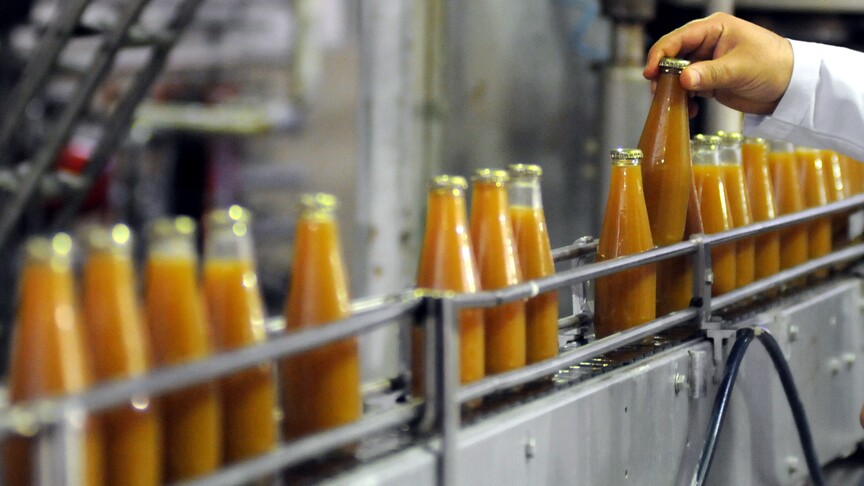
Drinks with at least 5 grams of sugar per 100 milliliters will face a levy of 26 cents per liter, rising to 32 cents per liter for those with 8 grams or more, according to a draft obtained by German media outlet RND. The Cabinet is expected to endorse the plan on Wednesday.
Finance Minister Lars Klingbeil of the center-left SPD aims to raise revenue for the federal budget while encouraging manufacturers to reduce sugar content and offer healthier products. Officials project the tax will generate about €690 million ($773 million) in 2027 and €925 million ($1.04 billion) in 2028.
The Chancellery blocked Klingbeil’s earlier proposal at the start of the month, according to public broadcaster ARD. Chancellor Friedrich Merz faced pressure from his conservative CDU party after several state-level party officials argued that the levy amounted to state intervention and would impose unnecessary costs on consumers.
The measure comes as Germans consume far more sugar than the World Health Organization recommends. The WHO advises people of a healthy weight to limit sugar intake to no more than 50 grams a day, and preferably less than 25 grams, or about six teaspoons. Men in Germany consume an average of 78 grams a day and women 61 grams. When other sources of sugar are included, daily intake can reach 100 grams.