Germany is urging households to keep emergency supplies on hand amid warnings that hybrid threats and possible blackouts could disrupt daily life as Russia’s war in Ukraine heightens security concerns across Europe.
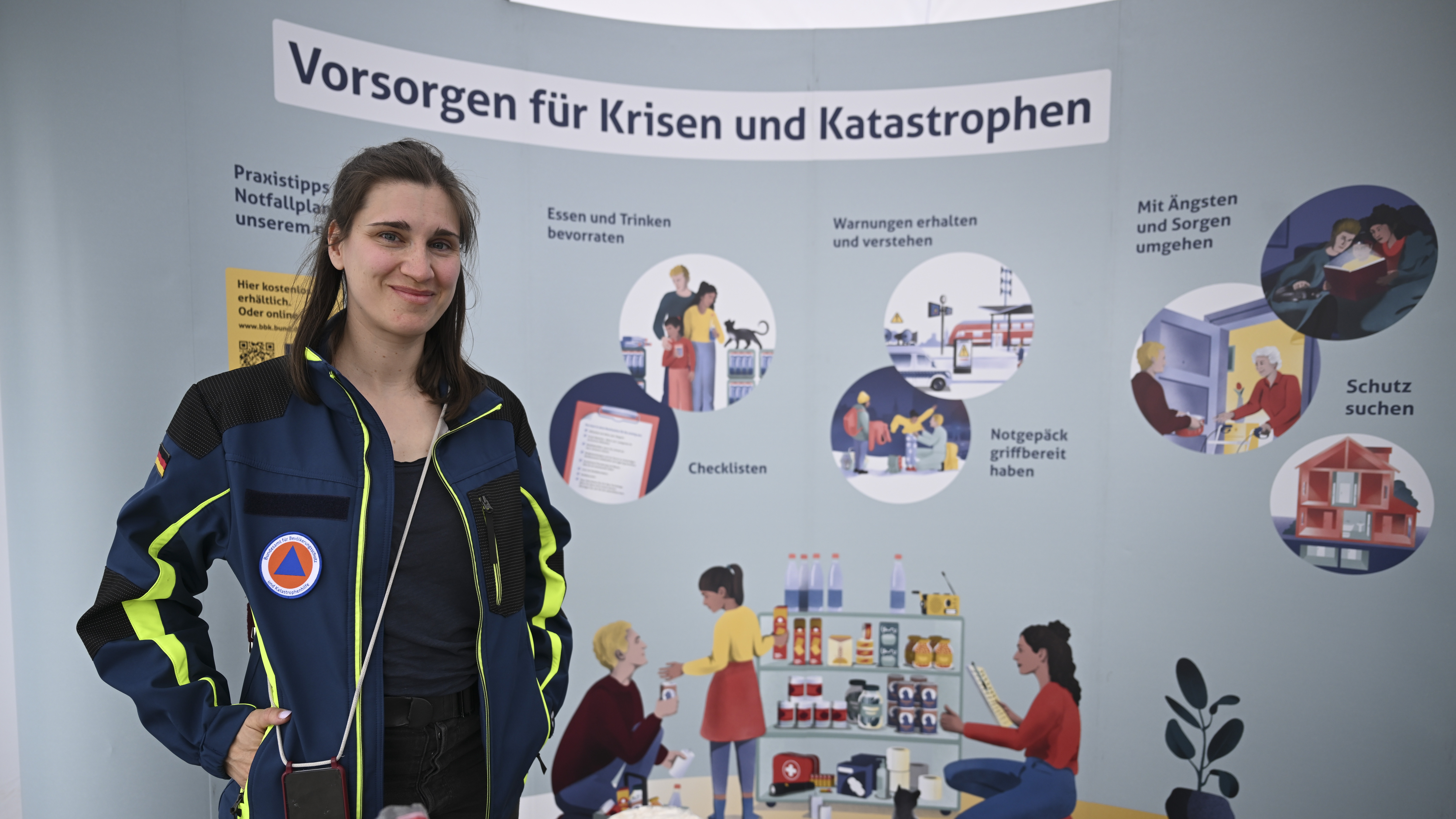
The country’s civil protection agency BBK has updated its public preparedness guidance and is now recommending residents to keep enough food and drinking water at home to last up to 10 days, along with basics such as candles, matches, medicines and crucially a battery-powered radio.
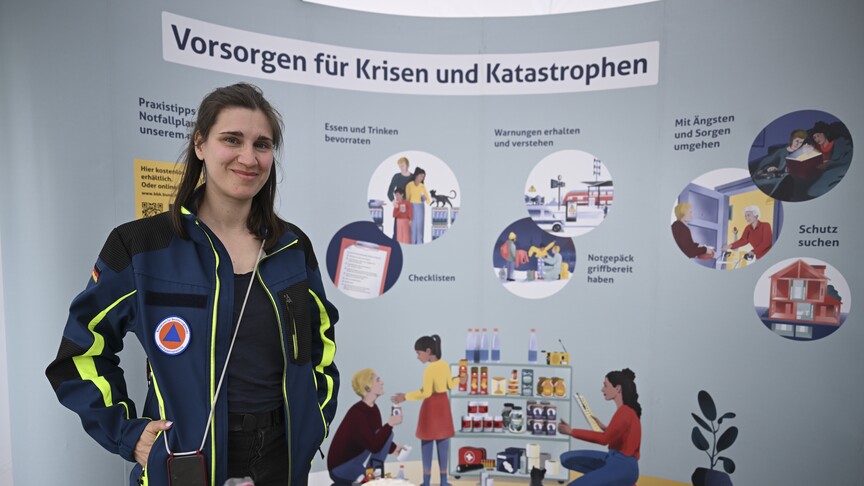
“We’re thinking in terms of scenarios like power outages and maybe no running water, heat waves – or just any situation where either you have to stay at home and be autonomous or you have to leave your home very quickly,” Alena Biegert, a BBK desk officer, told Anadolu.
She said emergencies – from natural disasters to chemical accidents at industrial sites to widespread blackouts – can disrupt daily life for many people at once, while assistance may not reach everyone right away.
Preparing in advance, she said, is vital to reducing the strain when a crisis hits.
For civil protection officials, the most essential item is also the one most often overlooked: drinking water. It matters even more than food.
“Water is just really, really important because if there is no power, there also will be no water within a relatively short time, which a lot of people don’t realize – that you need electricity to operate the water system,” Biegert said.
The BBK recommends keeping 2 liters of water per person, per day – including 0.5 liters earmarked for basic cooking. For a three-person household, that works out to 18 liters for three days, 30 liters for five days, and 60 liters for 10 days.
Biegert said that, besides water, residents should also set aside basic supplies for hygiene and cooking in case normal infrastructure is disrupted – something many people only realize they need once it’s too late.
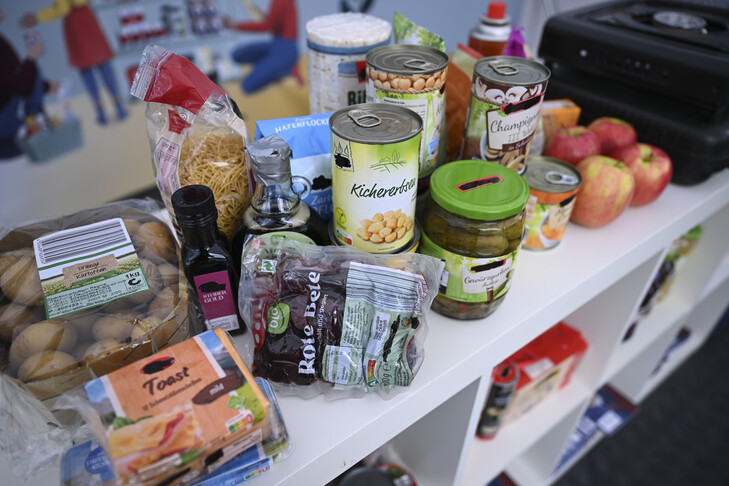
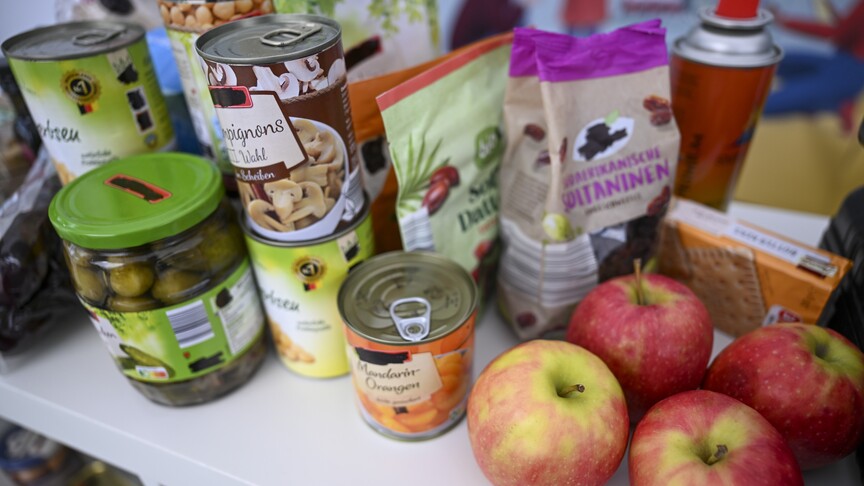
When it comes to food, the BBK advocates a practical approach: buy what you normally eat, just in larger quantities.
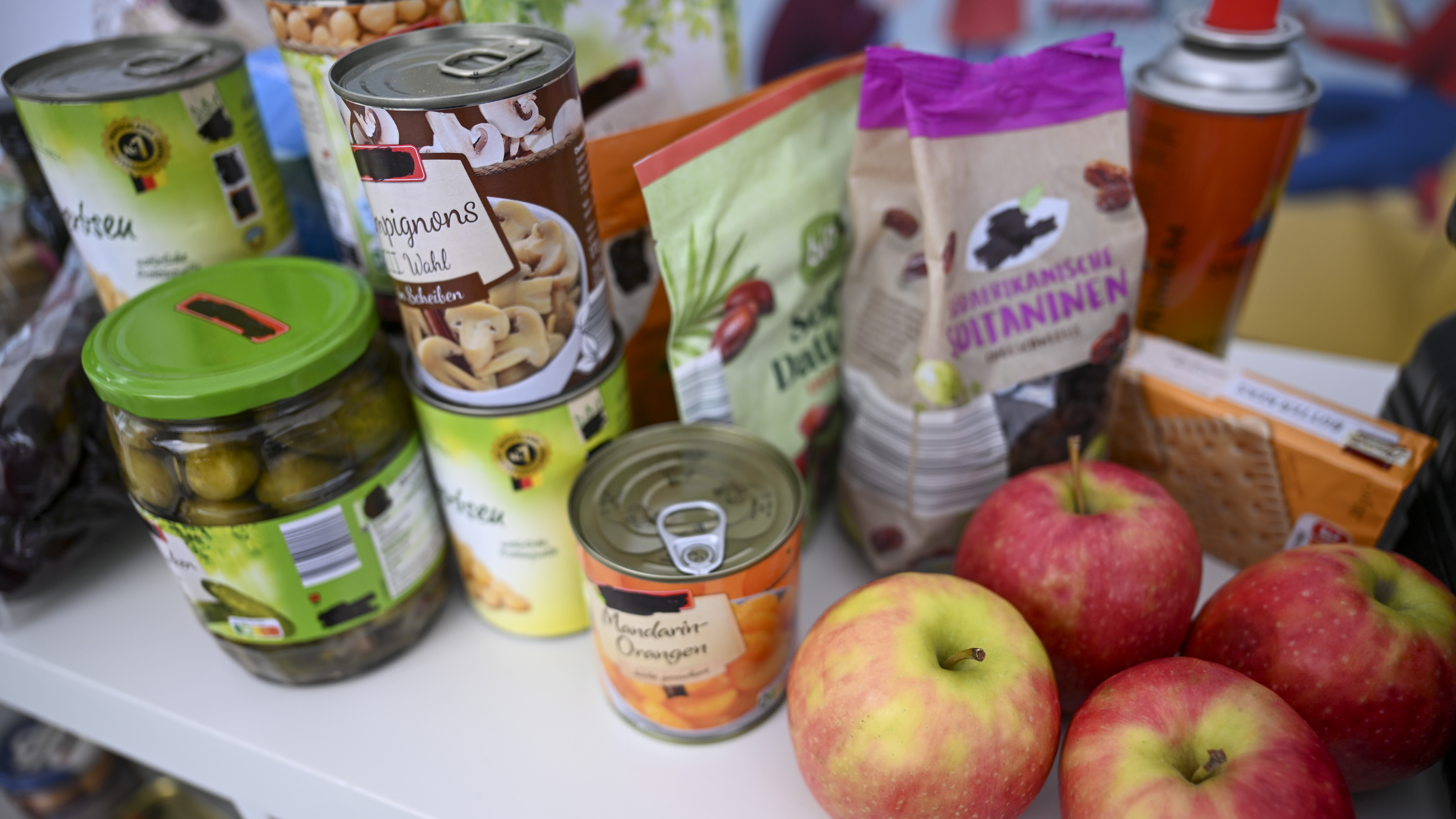
“We really recommend that people buy what they always buy in their everyday life, just in bigger bulks,” Biegert said.
She suggested residents do a quick thought experiment: “If I wasn’t able to go to the supermarket in the next ten minutes, what would I need to be able to eat for the next at least three days, maybe even 10 days?”
In the agency's view, it helps to think in categories rather than specific menus.
“We break it down into different food groups,” she said. “You got your carbohydrates, you got your protein, you got your vegetables — you even got your snacks.”
One recommendation that can sound old-fashioned – especially to younger generations – is keeping a radio that operates without a power outlet.
“We suggest you have a source of information that works without power such as a battery operated radio,” Biegert said, noting that in an extended blackout, a lack of communication can quickly fuel anxiety.
“The first thing that people will want to do is get information on what’s happening,” she said. “Just imagine if there’s a power outage and you’re not able to access information on the internet or on your TV — then at least a radio will offer you enough information on what’s going on.”
Even as smartphones dominate daily life, traditional broadcasting remains one of the most resilient communication channels during widespread infrastructure failures. Some emergency radios also feature hand cranks, she noted, allowing users to generate power if batteries run out.
Beyond food and water, the BBK’s checklist turns to the basics of living indoors without electricity, highlighting the need for light, warmth, and simple meal preparation.
"We suggest having candles at home, enough matches, and batteries for all your devices," Biegert said. She added that while power banks are useful for keeping mobile phones charged, they depend on cellular networks remaining operational.
"And also, have an opportunity to cook without using electricity, such as a gas stove," she said, pointing to standard camping gear that many households already own.
The agency also advises keeping a well-stocked first-aid kit with standard medical supplies and bandages.
While BBK officials emphasize that their guidance applies to any emergency – including climate-driven floods and heat waves – they acknowledge the message has taken on greater urgency as Europe's security environment grows increasingly tense.
"We have for long years been calling for people to be prepared for emergencies and have the necessary supplies at home," Biegert said. "It's just that this issue has gotten a lot more public traction recently, and especially since 2022 with the invasion of Ukraine.”
Several recent incidents have also underscored the need to prepare for crises — including localized power outages in Germany that lasted for days. “ We've had two power outages in Berlin in the last year where, you know, this has already come in handy.” Biegert said.
Civil protection officials say their goal is not to alarm the public. Instead, they aim to make basic preparedness a common routine practice so that people can cope on their own in the first hours or days of an unexpected crisis, giving emergency services time to mobilize and avoiding a frantic, last-minute rush for supplies.

contact_the_ombudsman
is_there_an_error_in_this_story