Mucahithan Avcioglu
08 September 2026•Update: 08 September 2026
Japan’s foreign reserves fell by $79.6 billion in August following the government’s record intervention to support the yen, official data showed.
The country’s reserve assets declined 6.2% from the previous month to $1.208 trillion as of Aug. 31, according to Japan’s Finance Ministry.
Foreign-currency reserves totaled $994.98 billion, including $839.56 billion in securities and $155.42 billion in deposits.
Japan also held $124.10 billion in gold, $61.17 billion in International Monetary Fund special drawing rights and an $11.42 billion reserve position at the IMF.
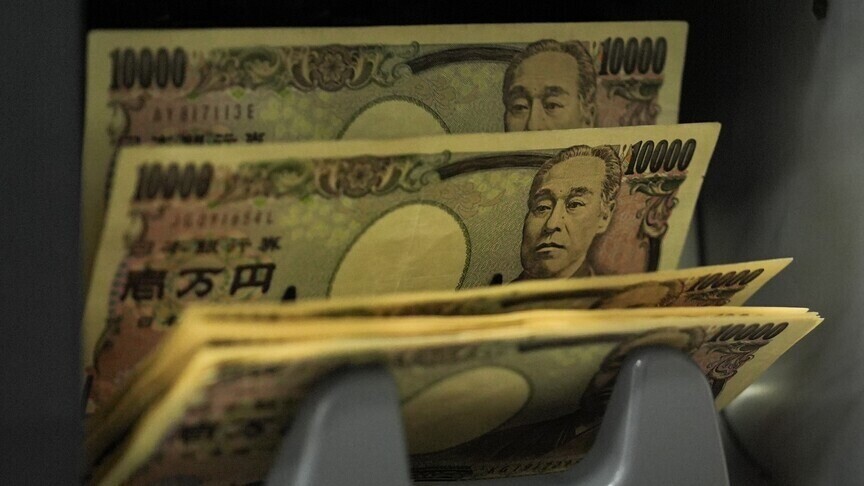
The decline followed Japan’s intervention in foreign-exchange markets between July 30 and Aug. 26, during which authorities spent 15.399 trillion yuan ($99 billion) to support the national currency.
The operation was the largest monthly currency intervention ever undertaken by Japan.
Authorities generally finance yen-buying operations by using their foreign-currency assets. However, the monthly reserve figures do not provide a complete breakdown of how much of the decline resulted directly from intervention, security sales or valuation changes.
The sharp reduction highlights the financial cost of defending the yen and could draw attention to Japan’s holdings of foreign government debt, including US Treasury securities.
Markets will next focus on the Bank of Japan’s Sept. 17–18 monetary-policy meeting. Higher Japanese interest rates could provide more lasting support for the yen by narrowing its yield disadvantage relative to other major currencies.