Merve Berker
22 August 2026•Update: 22 August 2026
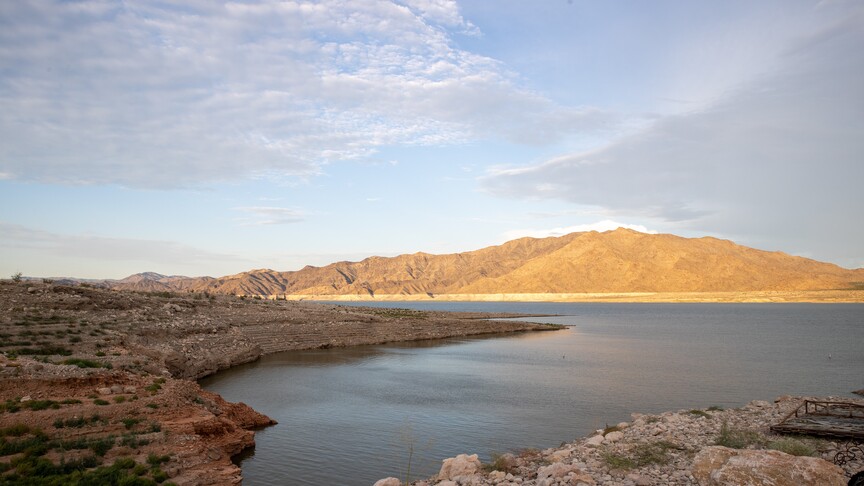
US federal officials announced Friday that California, Nevada and Arizona will face significant reductions in Colorado River water allocations over the next two years as authorities respond to a prolonged drought affecting the basin, CBS News reported.
Under the Bureau of Reclamation's plan, the three states will collectively reduce water use by 1.25 million acre-feet annually, with the possibility of deeper cuts depending on future conditions.
Arizona will bear the largest reductions, while Colorado, Utah, Wyoming and New Mexico will not face cuts for now. Mexico will also reduce its water intake by 250,000 acre-feet under a US-Mexico treaty.
"We've been in this 26-year prolonged drought period," Interior Department Assistant Secretary for Water and Science Andrea Travnicek said.
"We continue to see a prolonged drought in our future. So continuing to work together as a whole within the basin is going to be extremely important," she added.
The Colorado River supplies water to an estimated 35 million to 40 million people, according to the Bureau of Reclamation.
Federal officials said the current rules governing the river expire in October, while the seven basin states have yet to reach a long-term agreement on sharing its water.
Officials said the basin experienced its lowest snowpack on record last winter, increasing pressure on agriculture, industry, wildlife, hydropower production and communities dependent on the river.
Arizona Department of Water Resources Director Tom Buschatzke said the reductions "will provide substantial stability" for 2027 and 2028 while negotiations continue on a longer-term framework.
California's chief Colorado River negotiator, JB Hamby, described the agreement as "some badly needed near-term certainty at a moment of extraordinary risk," but stressed it is "a bridge, not a permanent solution."