Yasin Gungor
21 September 2026•Update: 21 September 2026
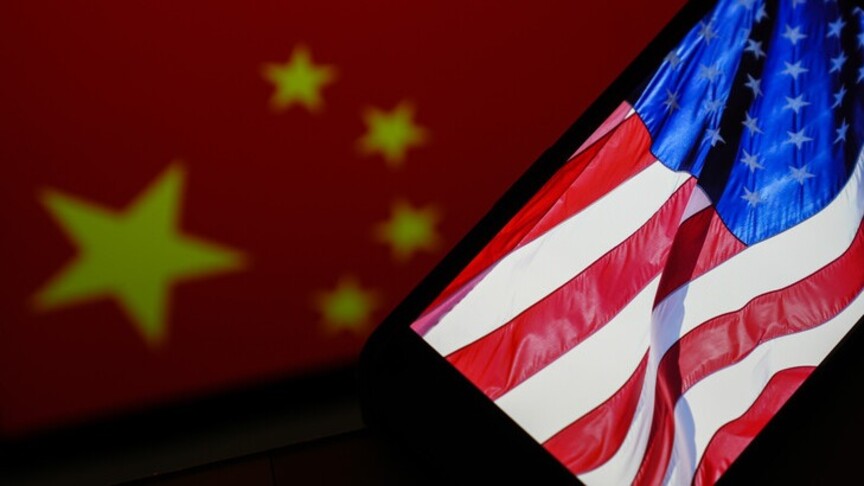
The United States and China agreed to establish a formal bilateral framework to address artificial intelligence (AI) security risks following extensive preparatory talks in New York, US Treasury Secretary Scott Bessent said Monday.
"We have now formalized something called the USA-China AI Dialogues," Bessent said, confirming that both sides agreed to reconvene in two months in the southern Chinese city of Shenzhen.
The announcement follows a 12-hour negotiating session held Sunday between Bessent and Chinese Vice Premier He Lifeng at JPMorgan Chase headquarters in Manhattan. The session was designed to set operational terms ahead of a planned White House summit between US President Donald Trump and Chinese President Xi Jinping. Bessent noted that while the two leaders maintain strong personal ties, bilateral teams spent the day translating that dynamic into working-level agreements.
A primary focus involves establishing a dedicated crisis hotline to mitigate technological breakdowns or unintended escalations.
"We want to open a communications line, an incident line, so that we have constant communications, especially in the event of some kind of an incident," Bessent said. He said the next step would involve defining shared protocols for critical threats, including uncontrollable autonomous agents as well as cyber and biological weapons proliferation by non-state actors.
Defense resilience and corporate liability
Turning to domestic governance, Bessent firmly rejected calls from frontier AI developers seeking federal legal immunity while warning about existential system perils.
He criticized labs for claiming a 10% risk of catastrophic collapse while simultaneously lobbying the government for liability protection, describing such exemptions as advantageous for private firms but detrimental to the American public.
Bessent argued that national strategy must pivot from purely expanding commercial model capabilities toward fortifying defense structures, pointing to federal initiatives such as the Gold Eagle workshop to strengthen resilience alongside rapid private-sector growth.