Seyit Kurt
10 April 2026•Update: 10 April 2026
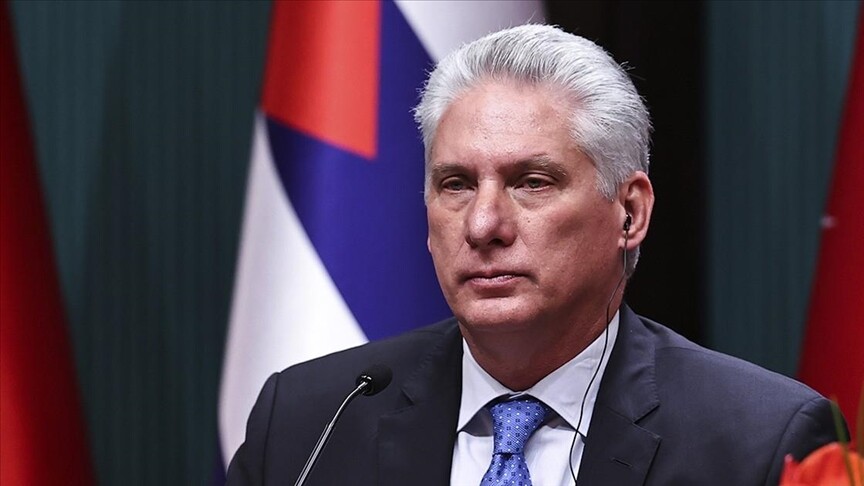
Rejecting mounting pressure from the US, Cuban President Miguel Diaz-Canel said he will not step down from office, asserting that the country's leadership is determined solely by its own people.
In an interview with NBC News aired Thursday, Diaz-Canel dismissed suggestions that he should resign to ease the country’s crisis, emphasizing that Cuba is a sovereign state independent of external influence.
“In Cuba, the people who are in leadership positions are not elected by the US government,” he said, adding that “stepping down is not part of our vocabulary.”
The remarks come as the Trump administration intensifies pressure on Havana, with officials calling for political and economic changes on the communist-run island.
A White House official said Washington believes a deal with Cuba could be reached, while also describing the country as a “failing nation.”
US Secretary of State Marco Rubio has also criticized Cuba’s economic system, saying meaningful change would require a shift in leadership and governance.
“Cubans can only be successful if they leave the country,” said Rubio.
Diaz-Canel pushed back, questioning whether similar demands would be directed at US leaders and accusing Washington of attempting to shape Cuba’s internal affairs.
Cuba has faced a prolonged economic crisis marked by fuel shortages, rolling blackouts, and limited access to food and medicine. Cuban officials attribute much of the hardship to decades-long US sanctions, while US officials argue structural economic issues are to blame.
Recent developments have further strained the situation, including reduced oil shipments from Venezuela and ongoing supply disruptions, contributing to nationwide power outages.
Despite tensions, both sides have acknowledged limited contact. Cuba’s deputy foreign minister said discussions on easing tensions remain at a “very preliminary” stage.
US President Donald Trump said on March 29 that Cuba is "next" after the military operation against Iran, adding that the Caribbean island nation will fail soon.