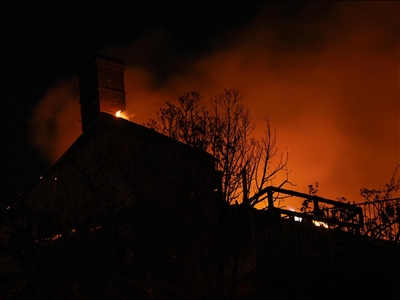
California wildfire forces thousands to evacuate, burns 570 acres


The Paris Climate Agreement aims to limit the long-term global temperature rise caused by human-induced greenhouse gas emissions to below 2°C compared to pre-industrial levels, while emphasizing the importance of pursuing efforts to limit it to 1.5°C.
What is the Agreement based on?
The agreement is based on the classification of developed/developing countries in the fight against climate change and the understanding that all countries should take responsibility according to the principle of “common but differentiated responsibility and respective capabilities.”
When was it adopted?
It was adopted in 2015 at the 21st Conference of the Parties (COP21) to the UN Framework Convention on Climate Change (UNFCCC) held in Paris. After the condition requiring at least 55 Parties representing 55% of global greenhouse gas emissions to ratify it was met on 5 October 2016, the Agreement entered into force on 4 November 2016.
What does it promise?
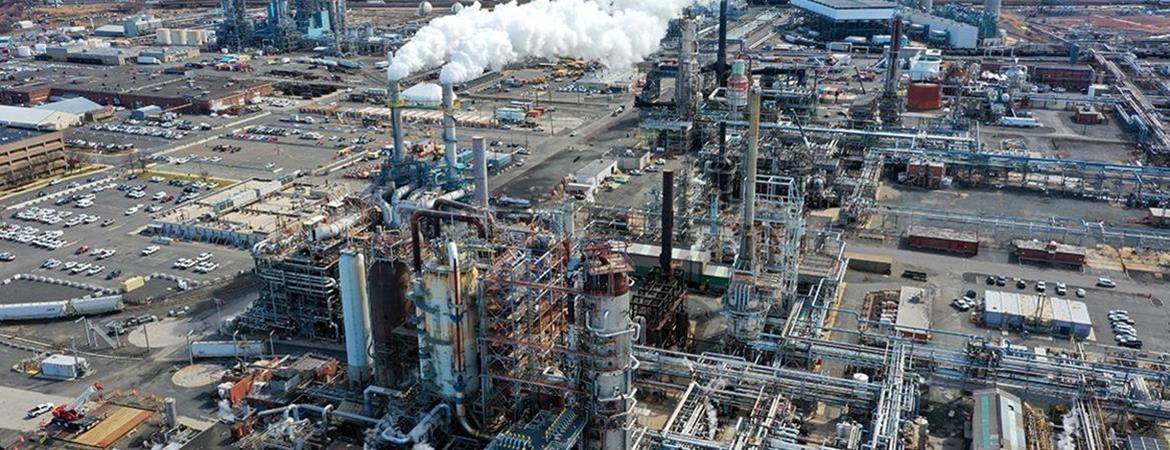
The Paris Agreement aims to strengthen global socioeconomic resilience against the threat of climate change. Its long-term goal is to keep global temperature increase well below 2°C above pre-industrial levels. Achieving this goal requires reducing the use of fossil fuels such as oil and coal and shifting toward renewable energy sources.
The Agreement foresees providing support for countries vulnerable to the adverse impacts of climate change through finance, technology transfer, and capacity-building, so they can enhance their adaptation and resilience capabilities as well as their emissions-reduction capacities.
The Paris Agreement encourages developed countries to maintain their absolute emissions reduction targets, while advising developing countries to increase their own reduction targets and, in line with their national circumstances, gradually adopt new and enhanced economy targets over time.
However, UN authorities and many experts warn that limiting global warming to 1.5°C is no longer achievable. They emphasize that the world must urgently phase out fossil fuels and reduce vulnerability.