Improving energy efficiency key to cutting food costs and waste, FAO says


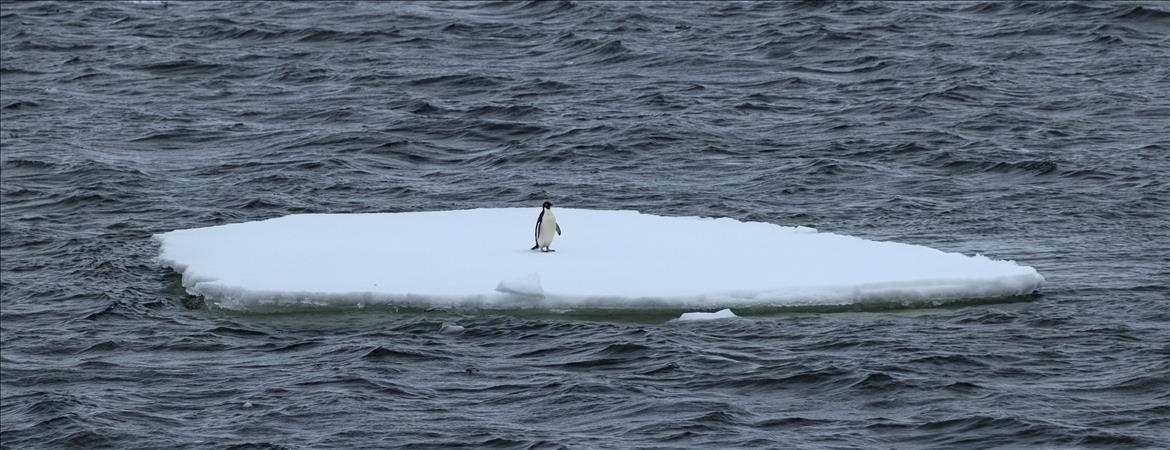
🌡️Burning fossil fuels traps heat in the atmosphere, driving not just warmth, but instability
— Greenline (@GreenlineAA) April 23, 2026
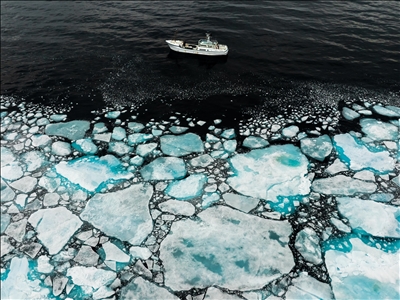
🔥Intensified heatwaves, wildfires, melting glaciers, unpredictable food and water systems
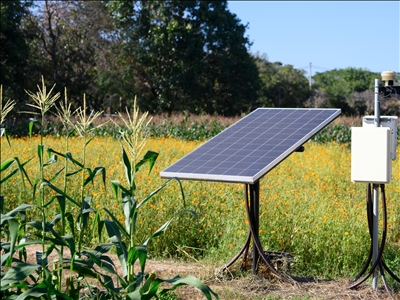
☀️The solution: cut emissions, shift to renewables, and make more conscious everyday choices… pic.twitter.com/LIMctlMytX
The temperature on the Earth's surface is determined by a number of factors, including the amount of sunlight the Earth receives and reflects, the amount of heat retained by the atmosphere, and the condensation of precipitation into water vapor.
Consumption of fossil fuels, resulting from industrial and agricultural activities, leads to an increase in greenhouse gases in the atmosphere. It is evident that global warming, a consequence of greenhouse gas emissions, results in climate change.
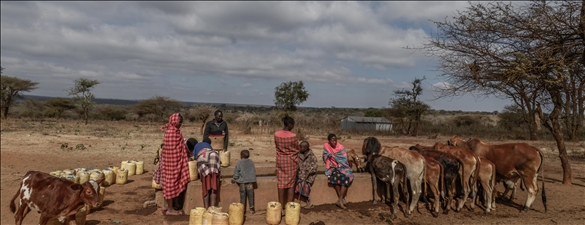
It is important to note that climate change caused by global warming does not only mean an increase in temperatures. There has been an increase in weather events such as drought, desertification, rainfall imbalances and deviations, floods, typhoons, storms, tornadoes, and snowfall. For instance, the Black Sea Region of Türkiye is struggling with floods and overflows, while the Mediterranean Region is grappling with drought and forest fires.