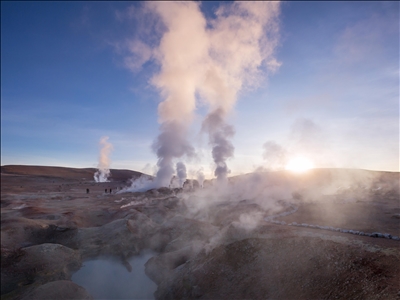
COP31 offers Türkiye chance to showcase geothermal expertise, attract investment: IGA chief


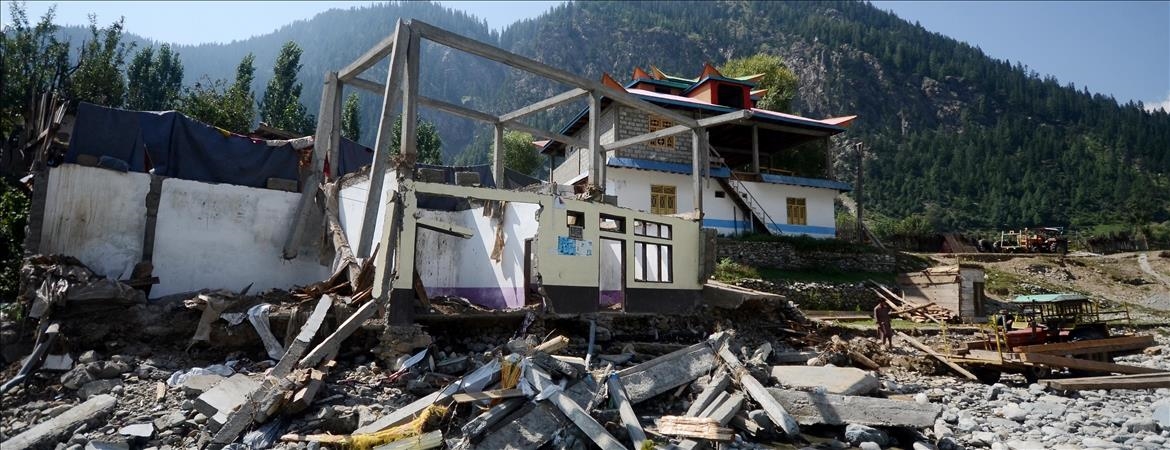
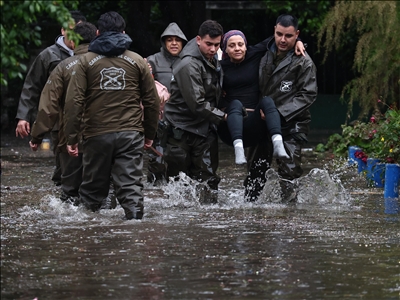
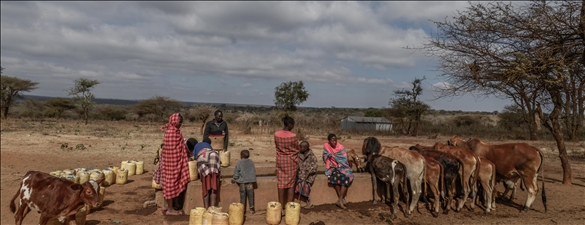
The greenhouse gas emissions generated by developed countries during their development processes, production, and consumption processes are the main causes of climate change-related disasters. On the other hand, developing countries, which contribute the least to climate change, are often located in regions where these disasters’ impacts are most devastating.
Due to weaker economies, these countries lack early warning systems and effective adaptation measures, leading to higher death tolls from climate-related disasters. They also face resource shortages in their struggle against the destruction caused by disasters, as well as water and food crises.
As a result, these vulnerable countries are calling on industrialized countries responsible for climate change to take responsibility for the crisis. Achieving climate justice depends on meeting these demands.
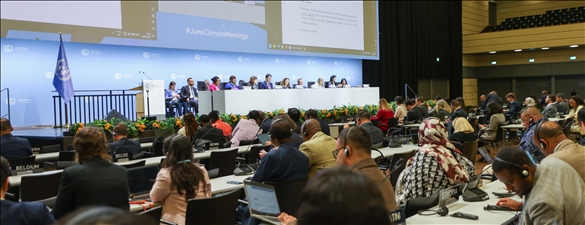
In the context of the ensuing climate justice debates, the 15th United Nations (UN) Climate Conference (COP15) in 2009 established that developed countries would provide climate compensation by allocating $100 billion in annual funding to developing countries.
However, while the financial damage of climate-related disasters has escalated annually during this period, according to data from the Organisation for Economic Cooperation and Development (OECD), the total compensation has not been fully disbursed in any year since 2013.