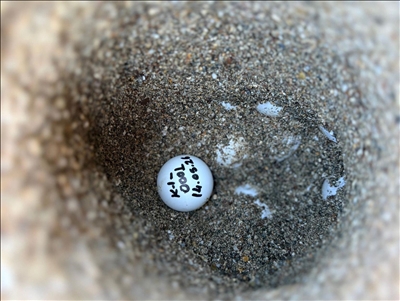
Caretta carettas return to Türkiye’s southern coast of Antalya for nesting season


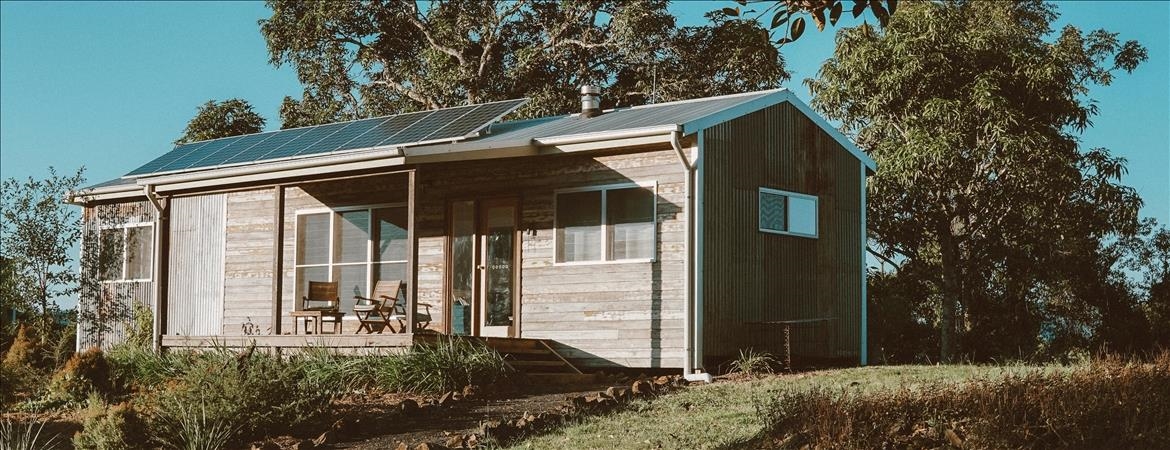
With population growth, urbanization, and industrialization, natural resources are rapidly being depleted. As resource consumption increases, so does environmental damage. In response to challenges such as climate change, drought, and pandemics, many countries are creating new living spaces by designing eco-friendly buildings equipped with systems that can save resources such as heat, energy, and water.
What is passive climate control?
Passive climate control is defined as the planning of design parameters and climate-related human needs in a way that uses existing environmental and physical data to maintain comfort while consuming as little energy as possible.
Its purpose
The goal is to meet people’s heating, cooling, and ventilation needs with the help of natural conditions, requiring minimal additional energy. This approach aims to create sustainable living spaces by ensuring optimal use of resources while preventing environmental pollution.
Passive climate control systems
Natural ventilation: Supplying fresh air to indoor spaces using natural airflow instead of mechanical systems.
Trombe walls: A system that heats fresh air from outside using passive ventilation with solar energy. A glass cage is built on the equator-facing side of the building, typically 30–40 cm away from the exterior wall depending on the design. During the day, the space between the façade and the glass traps solar heat like a greenhouse, warming the building wall. Cold fresh air entering from outside warms up in this space, rises, and enters the building through upper vents. The cooled indoor air naturally sinks and exits through lower vents, creating continuous circulation.
Solar chimneys: A system based on converting sunlight into electrical energy using specialized technologies.