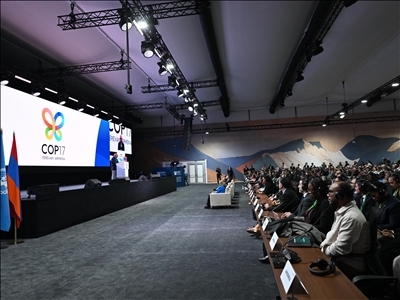
COP31 offers key opportunity to turn climate goals into action, IRENA chief says


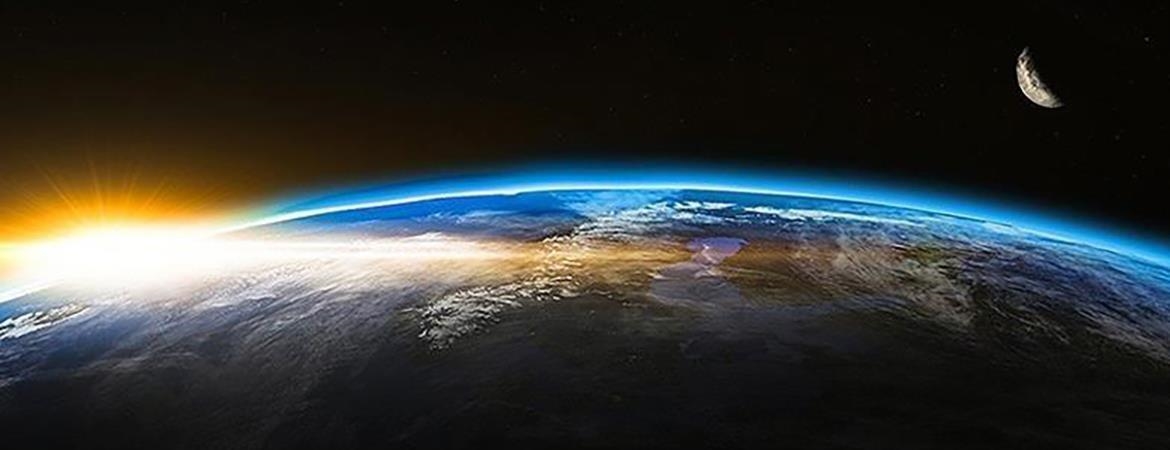
The ozone layer is a protective layer located in the upper part of the stratosphere that prevents harmful radiations from the Sun from reaching the Earth’s surface.
Formation
The first living organisms were anaerobic, organisms that performed respiration without oxygen, because there was no free oxygen in the atmosphere. Later, photosynthetic organisms appeared, and respiration went through a transformation. Photosynthetic organisms began producing glucose and oxygen by using water and carbon dioxide. Thus, free oxygen was formed and began to accumulate in the stratosphere.
Ultraviolet radiation interacted with the oxygen molecules in this layer and caused them to split into two oxygen atoms. These oxygen atoms then combined with oxygen molecules, forming the layer known as the ozone layer.
Function
The ozone layer in the stratosphere absorbs part of the radiation coming from the Sun and prevents it from reaching the Earth’s surface. It specifically absorbs the part of the Sun’s ultraviolet radiation called the UVB.
How is it depleted?
Human activities release chlorine and chlorofluorocarbons into the atmosphere, where they react with ozone and cause it to break down. When ozone is broken down, the amount of ozone in the stratosphere decreases, this situation is referred to as ozone depletion.
Chlorofluorocarbon gases are released into the atmosphere through deodorants, air conditioners, refrigerators, car exhaust, and greenhouse gases.
What can be done to protect it
- Walk or bike to nearby destinations.
- Use public transportation more frequently.
- Avoid using sprays that contain chlorofluorocarbons and hydrochlorofluorocarbons.
- Use cleaning products that do not contain chlorine or bromine.