Improving energy efficiency key to cutting food costs and waste, FAO says


Achieving net-zero emissions requires us to remove as much greenhouse gas as we release into the atmosphere. As it relies on neutralizing the amount of carbon emitted, it is also referred to as "carbon neutrality".
What measures should be taken to achieve net-zero?
In order to make neutralization easier, it is logical to start by reducing greenhouse gas emissions. This can be achieved by turning to lower-carbon alternatives on the personal, societal and national levels. While the primary responsibility for reducing emissions rests with the manufacturing, transportation, and livestock sectors, individuals can also play a part by choosing low-carbon options to meet their needs.
However, given current conditions, it is challenging and time-consuming to completely eliminate emissions, due to various factors. It is imperative that steps are taken to neutralize the emissions produced. Significant impact can be achieved through changes in industrial processes.
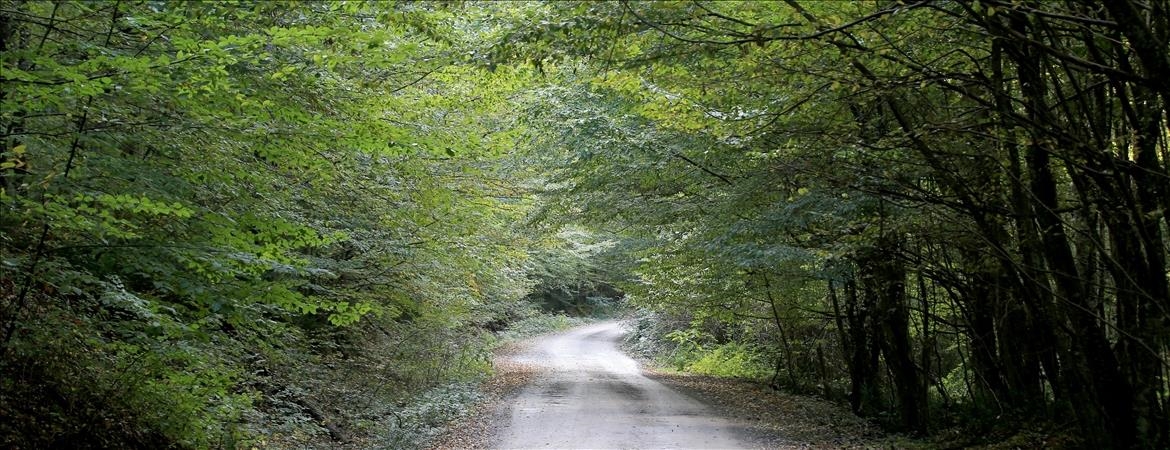
Planting trees is one of the most essential steps in this process. Given that trees are capable of trapping carbon dioxide, it is crucial to replace destroyed forests with new ones. Furthermore, it is vital that existing forests are protected and that efforts are made to combat deforestation and wildfires in order to sustain these efforts.
New technologies also offer alternative solutions to reach the net-zero target. A technological method known as "carbon capture" is employed to reduce emissions by capturing, transporting and storing greenhouse gases instead of releasing them into the atmosphere.
What is the importance of reaching net-zero?
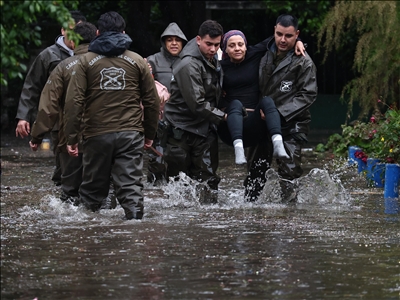
Today, the Earth's average temperature is approximately 1°C higher than it was in the pre-industrial period. While this may appear insignificant, it is important to note that this increase has already resulted in numerous natural disasters, thousands of deaths and widespread destruction around the world.
According to the World Meteorological Organization (WMO), if no necessary steps are taken and no preventive measures are implemented to achieve net-zero, average global temperatures are projected to rise by 3 to 5°C by 2100. Such increase would not only endanger millions of lives but also lead to the destruction of numerous animal and plant species, severe drought and famine, and dire water crises.
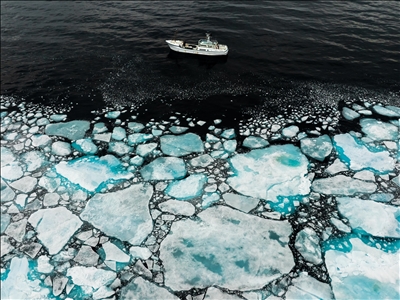
An increase of 1.5°C may seem small at first glance. However, in the context of global average temperature, it is extremely significant. To illustrate this, we can compare the average temperatures during the Ice Age with today.
According to the National Oceanic and Atmospheric Administration (NOAA) 2021 Annual Global Climate Report, the 20th-century average global temperature was 13.9°C, while in 2020 the global average temperature was measured at 14.9°C, approximately 1°C higher.
Research by The University of Michigan shows that during the Last Glacial Maximum, the peak of the Ice Age when ice sheets were at their largest extent, global average temperatures were 7.7°C.
In other words, the peak of the Ice Age was only 5.2°C colder than the current global average temperature. Therefore, a seemingly minor increase of only 1.5°C could have severe consequences for both humanity and the planet.