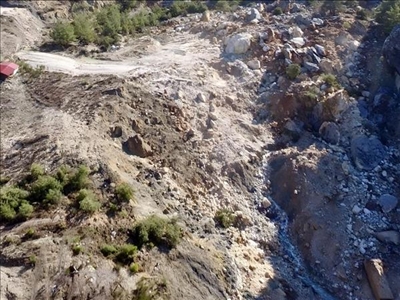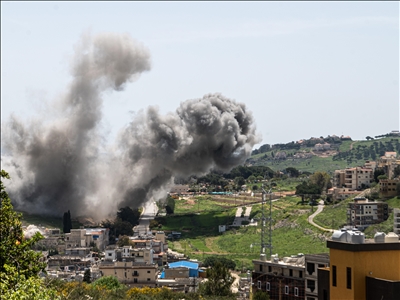
Lebanon says farmland area roughly size of Chicago destroyed in Israeli offensive


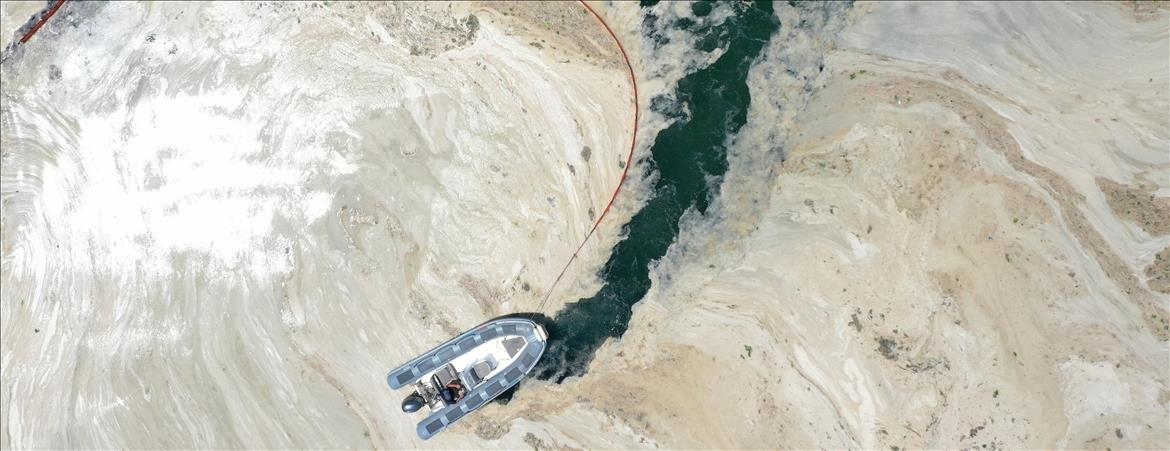
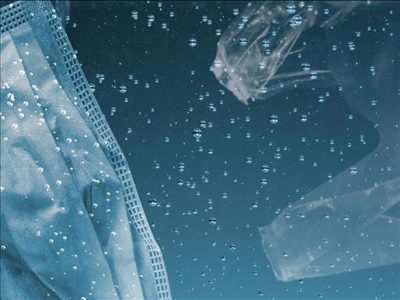
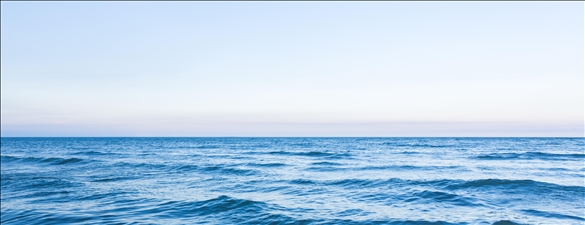
The process occurs through the secretion of a slimy, transparent, and sticky organic substance by plankton into seawater.
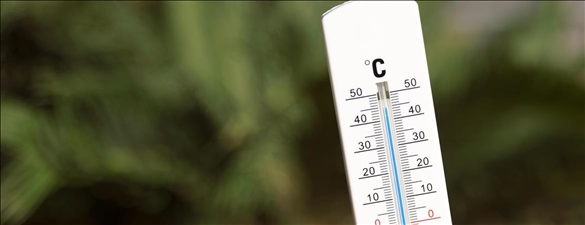
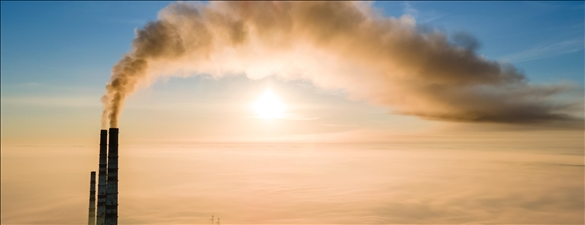
This formation is driven by three main environmental factors: rising sea surface temperatures, stagnant water conditions, and increased pollution, particularly higher nitrogen and phosphorus levels. Pollution in the seas results from the discharge of industrial and agricultural waste, as well as untreated municipal wastewater, which increases nitrogen and phosphorus levels.
Mucilage causes significant economic damage and places additional stress on already degraded marine ecosystems, leading to further destruction. It can also lower already reduced oxygen levels in the water, resulting in the death of fish and other marine organisms.