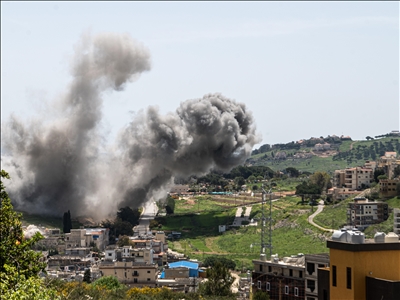
Lebanon says farmland area roughly size of Chicago destroyed in Israeli offensive


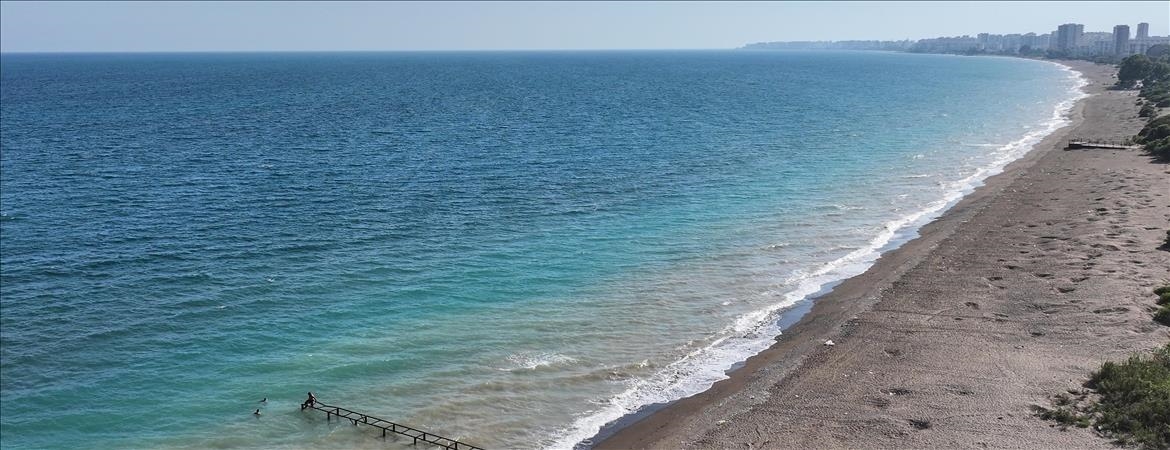
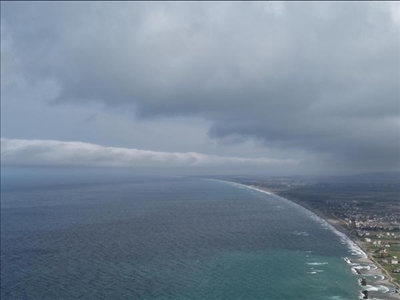
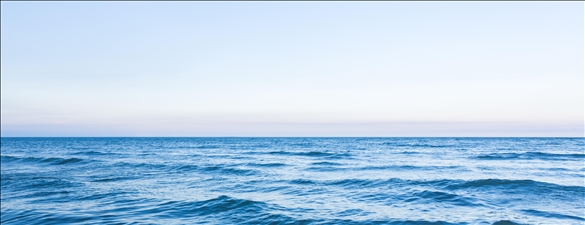
Marine organisms survive by using dissolved oxygen in the water. Due to factors such as pollution and warming, this essential resource, oxygen, is rapidly declining both globally and in Türkiye. One of the most striking examples of this can be observed in the Sea of Marmara.
Role of oxygen in the sea
In marine environments, oxygen enters the water both through exchange with the atmosphere and through photosynthesis carried out by marine plants. This gas, dissolved in water, is essential for the survival of marine organisms.
Human-induced pollution plays a critical role in reducing oxygen levels in the seas. Insufficiently treated wastewater discharged into the sea, domestic waste, agricultural fertilizers, and industrial pollution transport large amounts of nitrogen and phosphorus into marine environments.
These act as nutrients for certain microscopic organisms, causing their numbers to increase and leading to algal blooms on the sea surface. When these algae die, their decomposition consumes large amounts of oxygen, reducing oxygen levels in the water to critical levels.
Algal blooms do not only deplete oxygen. They block sunlight from reaching the sea floor, negatively impacting life there. The consequences of this process are particularly pronounced in enclosed seas and bays.
As oxygen levels decline, fish, corals and other benthic organisms die, life on the seafloor is severely disrupted, and ecosystem collapse begins.
The mucilage problem
One of the consequences of deoxygenation in the Sea of Marmara is the formation of mucilage. The decline in oxygen levels observed in recent years has emerged as one of the main drivers of mucilage formation.
Mucilage poses a significant threat to marine life, extending from the surface to the deeper layers of the sea.