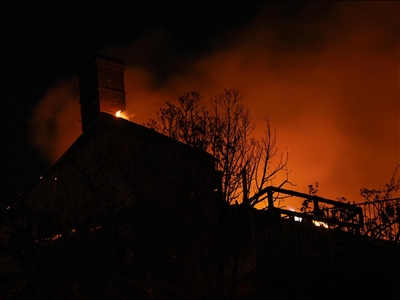
California wildfire forces thousands to evacuate, burns 570 acres


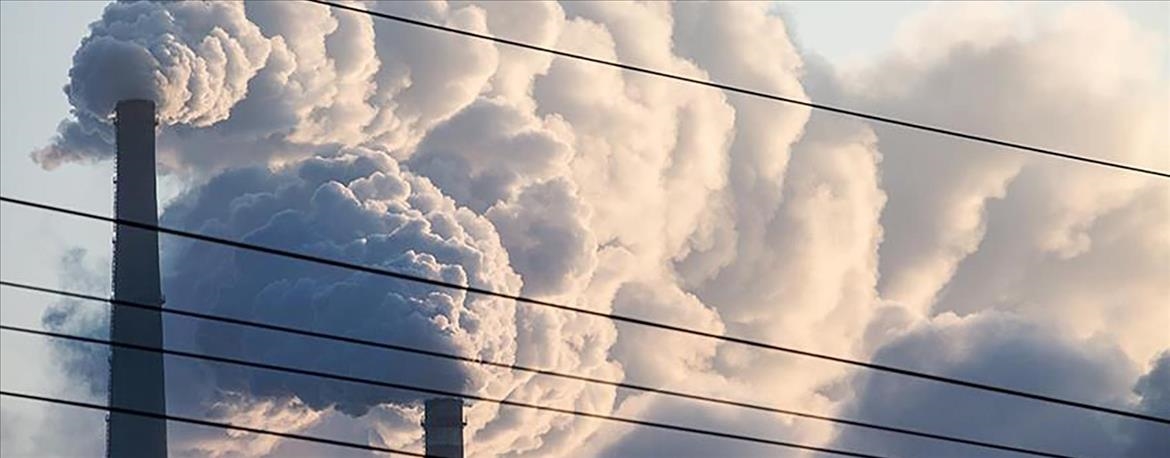
Methane gas is an odorless compound with the chemical formula CH4 and found in gaseous form at standard temperature and pressure. It occurs naturally in the air, however, the amount of this gas in the atmosphere is increasing as a result of energy production, livestock and agricultural activities. This situation leads to the greenhouse effect and intensifies climate change.
According to the data from the Intergovernmental Panel on Climate Change (IPCC) of United Nations (UN), methane gas, whose presence in the atmosphere has increased two and a half times compared to the pre-Industrial Revolution period, is responsible for almost one quarter of global warming. Compared to carbon dioxide, another gas that causes the greenhouse effect, methane gas causes more warming because its capacity to trap heat in the atmosphere is higher.
While 40% of methane emissions come from natural sources, 60% are caused by human activities. Agricultural activities, in particular, are one of the major sources of methane emissions. While 80% of methane gas emissions caused by agricultural activities originate from livestock, the remaining 20% is generally from rice production.