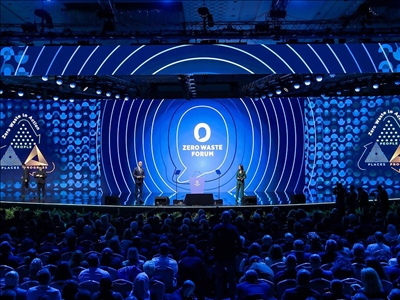
Experts say waste, water crises require concrete action at COP31 in Türkiye


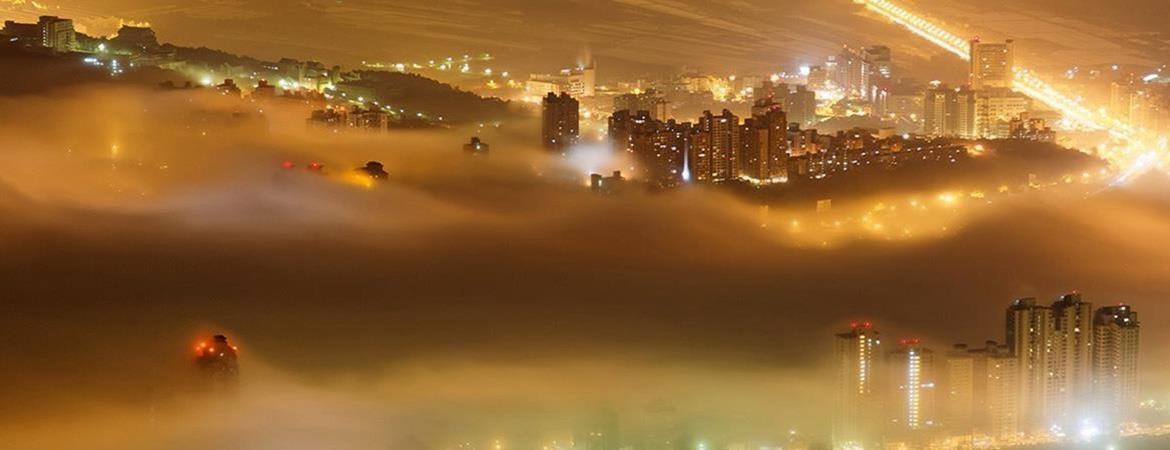
Around 80% of the world’s population is negatively affected by light pollution, and 99% of those living in the United States and Europe cannot experience a natural night.
Main causes
The main cause of light pollution is the unnecessary use of artificial lights.
In cities, the main sources of light pollution are road, street, park and garden lighting, exteriorlighting on buildings, billboards, and artificial lighting used for security purposes.
In rural areas, the primary source of light pollution is often attributed to highway lighting.
Environmental impacts
Changing the duration of light and darkness through artificial lighting is considered a factor that disrupts the ecological balance, negatively affects all species living in the ecosystem, causes stress, prevents reproductive behaviors, disrupts hormonal structures, weakens their immune systems, and affects all organisms from the smallest ones to humans.
Since artificial light alters the life cycles of all species living in the ecosystem, it is considered a “pollutant.”
When migratory birds see artificial light sources, they are drawn to them, they circle around, and collide with buildings. This can result in significant bird deaths.
It can also disrupt the migration routes of birds and cause rhythm disruptions in insects.
Impacts on human health
Among children who sleep in brightly lit rooms at night, growth hormones are not activated, preventing healthy growth. Insufficient secretion of hormones such as melatonin weakens the immune system and can trigger a number of health problems, including breast and prostate cancer.
How can we protect ourselves?
Using motion-sensitive lamps, time-controlled lighting, and monochromatic light sources is necessary to protect against light pollution.