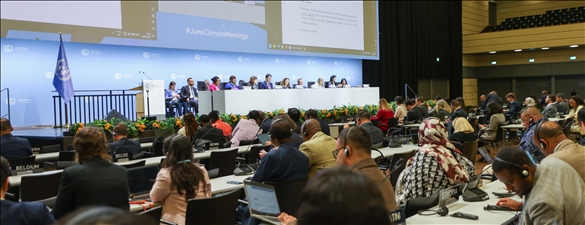
COP31 offers key opportunity to turn climate goals into action, IRENA chief says


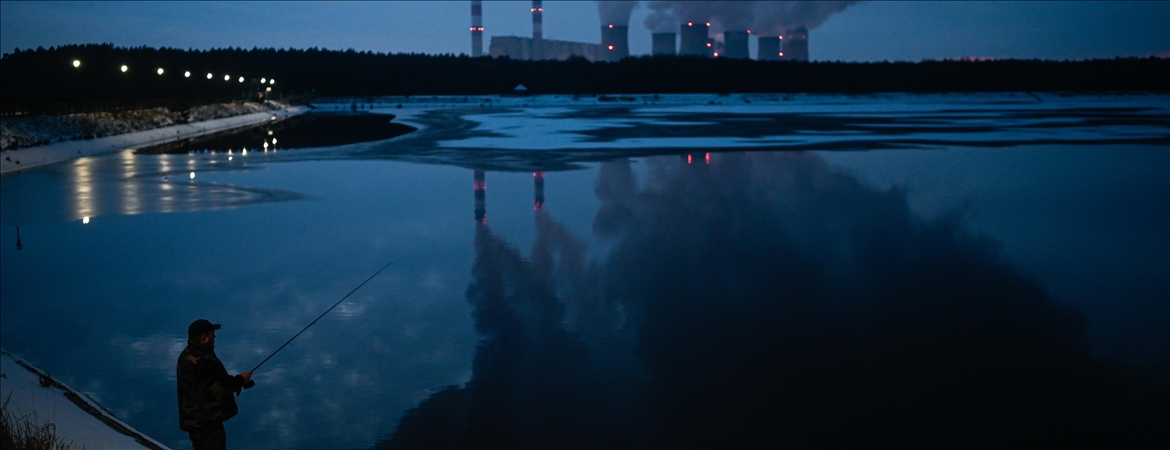
In a scenario where the Earth reflects all the sunlight it receives back into space and its atmosphere retains no heat at all; the world would turn into a frozen wasteland and would not allow many species to survive. Therefore, a greenhouse effect independent of human intervention is necessary for the continuation of life on Earth.
However, since the 1850s, the Industrial Revolution has led to unprecedented levels of greenhouse gas emissions, and today, emissions continue at an alarming rate.
With increasing emissions, the concentration of greenhouse gases in the atmosphere rises, and they trap more heat in the atmosphere, causing the Earth to warm even more.
What are the consequences of the greenhouse effect?
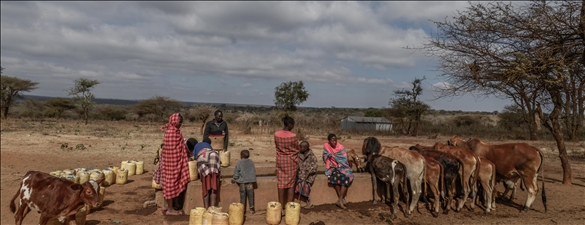
The increasing greenhouse effect causes the disruption of the natural balance on Earth in many ways and leads to the destruction of habitats for many living beings, including humans.
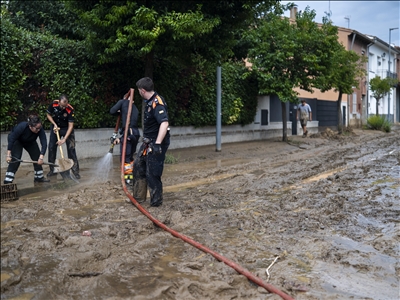
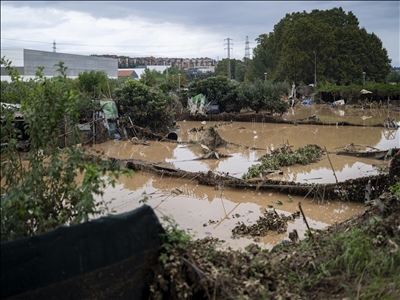
Melting glaciers, rising ocean levels, coastal lands being submerged, changes in the seasons (hotter summers, milder winters, longer summers, shorter winters, etc.), severe weather events, migration of animals, plants and humans are some of the consequences of the increasing greenhouse effect.