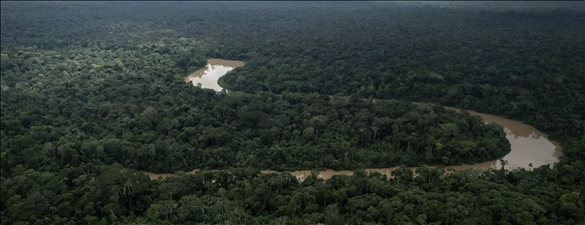
Experts say waste, water crises require concrete action at COP31 in Türkiye


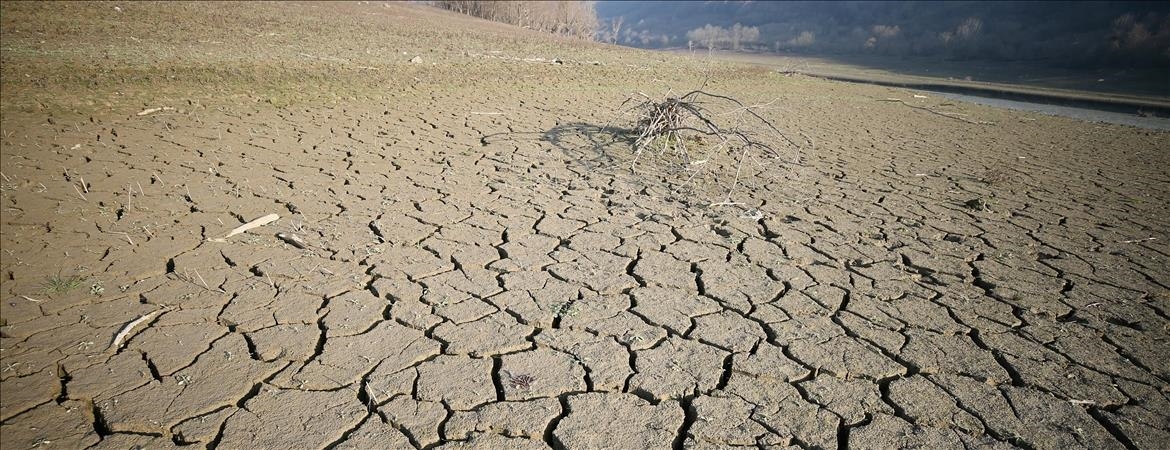
Meteorological Drought
Meteorological drought occurs when precipitation levels remain significantly below normal levels over an extended period of time. It is defined as a deviation of total precipitation from long-term averages, medians, or normal values for a specific time period. Decrease in rainfall leads to lower humidity, intensifying the drought and allowing it to spread to other regions, with variations in severity depending on location. The main cause of this type of drought is significant changes in annual and monthly precipitation levels.
Meteorological drought can result in irrigation problems in agricultural areas, insufficient water in dams, shortages in drinking water sources, and negative impacts on ecosystems, communities, and socioeconomic systems.
Hydrological Drought
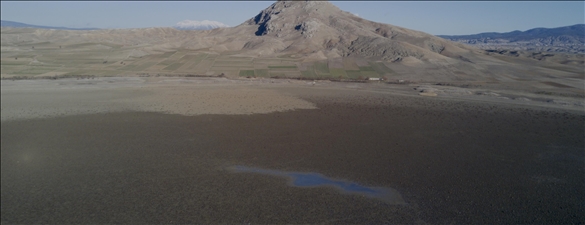
Hydrological drought refers to a reduction in surface and groundwater resources due to prolonged lack of precipitation. When meteorological drought persists, it leads to hydrological drought. The effects of prolonged lack of precipitation become evident in streamflow, groundwater storage levels, soil moisture, and other components of the hydrological system. This leads to sharp declines in groundwater, river, reservoir, and lake levels, posing a threat to human life.
Agricultural Drought
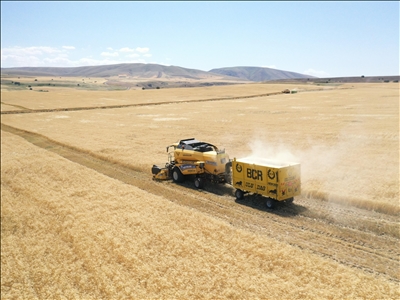
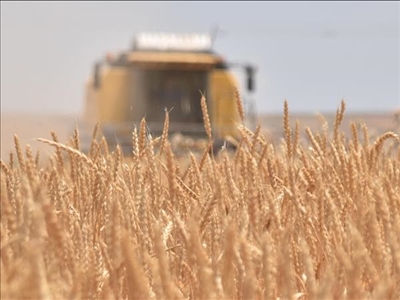
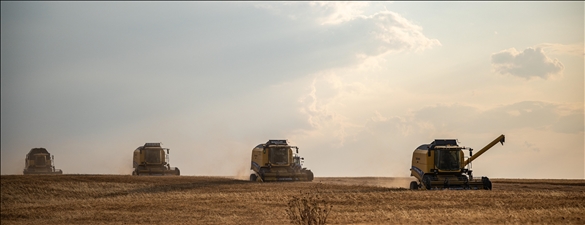
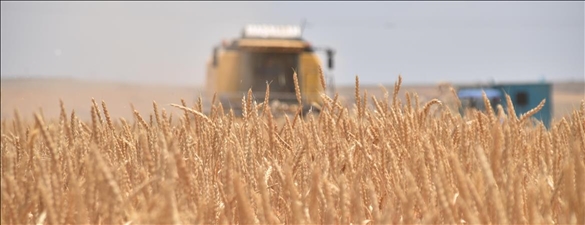
Agricultural drought is defined as a condition where soil moisture or available water in the plant root-zone is insufficient for plant growth and development. It typically occurs during the growing season, when plants are most sensitive to water.