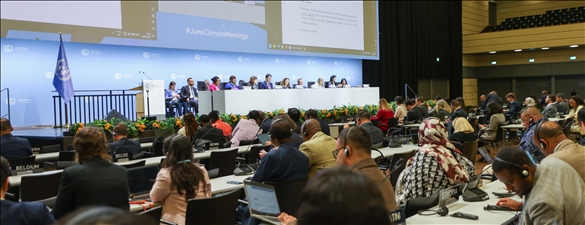
COP31 offers key opportunity to turn climate goals into action, IRENA chief says


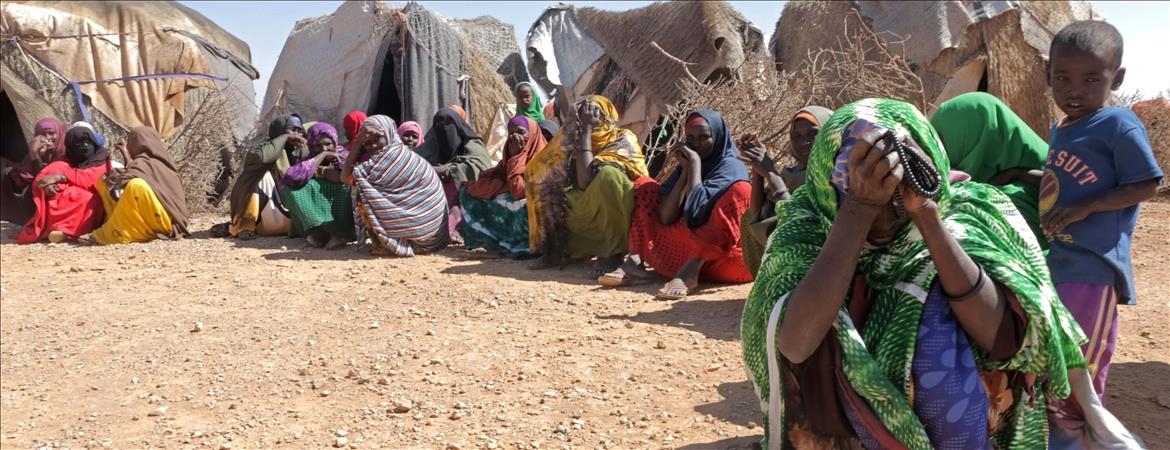
The International Organization for Migration (IOM) defines this concept as “persons or groups of persons who, predominantly for reasons of sudden or progressive change in the environment that adversely affects their lives or living conditions, are obliged to leave their habitual homes, or choose to do so, either temporarily or permanently, and who move either within their country or abroad.”
The main causes of climate migration can be listed as follows:
- Extreme weather events and temperature changes
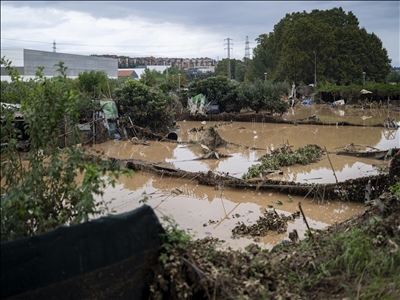
- The increasing frequency of extreme weather events such as severe floods, hurricanes, and tornadoes
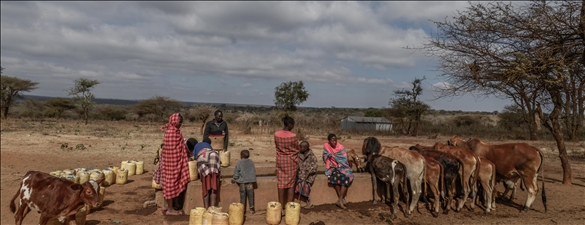
- Intense drought
- Rapid decline in agricultural productivity
- Reduction or loss of drinking water resources
- Increase in epidemics
- Rising sea levels
- Flooding of living areas and agricultural lands
There are various projections regarding how many people will be forced to leave their homes in the coming years due to climate change. For instance, according to a report published by the World Bank in 2021, more than 216 million people are expected to migrate by 2050 due to adverse conditions caused by climate change. The majority of this population exchange is projected to occur in Sub-Saharan Africa, South Asia, and Latin America.