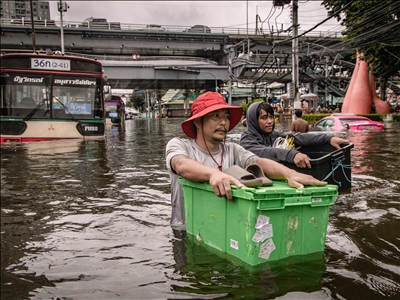
Thailand floods kill 19, affect 700,000 in Bangkok as rains ease


🌍 A warming planet
— Greenline (@GreenlineAA) February 10, 2026
🌦️ Shifting climate patterns
🚲 Everyday choices that influence them
Climate change, explained 👇🏻#Greenline🌱https://t.co/tO3sINMhsS pic.twitter.com/f3xXapAb58
While climate change is a term that encompasses the results of both human activities and natural processes, it has been observed that human activities have been the primary cause since the Industrial Revolution.
What causes climate change?
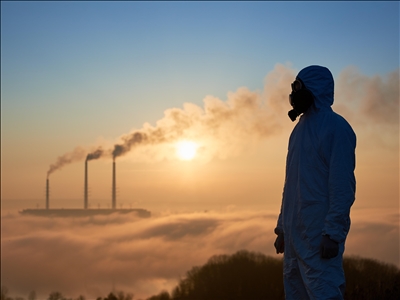
The primary cause of human-induced climate change is the use of fossil fuels (coal, natural gas, and petroleum). The consumption of fossil fuels leads to the emission of greenhouse gases. These gases act like a blanket covering the Earth's atmosphere, trapping heat from the sun and causing the Earth to gradually warm up.
What could be the consequences of climate change?
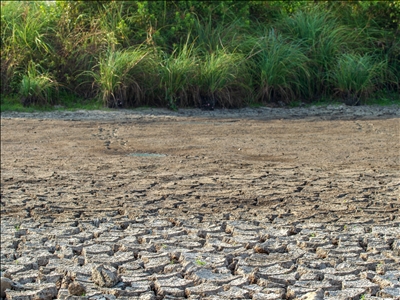
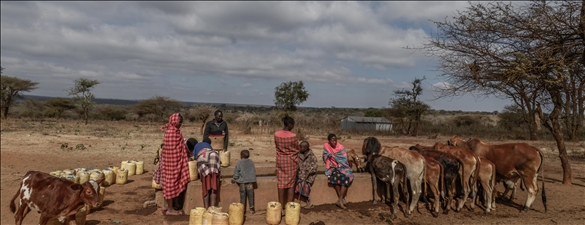
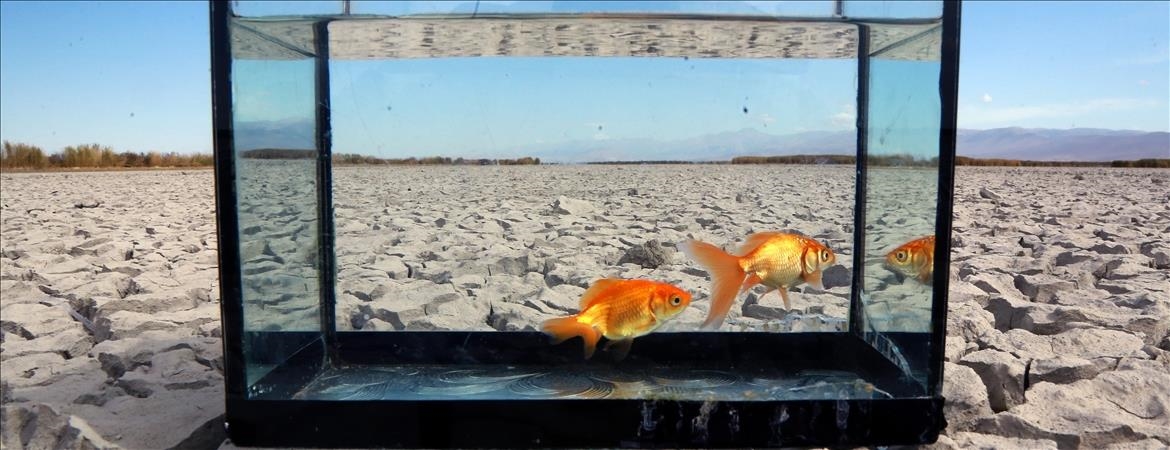
In addition to altering seasonal cycles and resulting in above or below average temperatures, climate change is associated with numerous disasters. The most commonly observed effects include drought, desertification, fires, floods, destructive storms and rising sea levels.
Beyond that, it poses a threat to the health and even the existence of many species by causing temperatures both on land and in the oceans to rise and glaciers to melt.
What can be done?
The first step can be to reduce, or if possible, eliminate the use of fossil fuels. Choosing electrical vehicles, using public transportation, or opting for non-fossil-fuel modes of travel such as bicycles can make a significant difference.
Beyond that, it is crucial to make use of renewable energy sources that nature provides, such as solar and wind power. Extending the use of solar panels and wind turbines can help reduce reliance on fossil fuels.
Simple everyday actions can also contribute: using energy-efficient light bulbs, minimizing air conditioner and heater use, supporting tree-planting initiatives, and shifting toward a more plant-based diet are some of the most accessible and impactful steps individuals can take.