Improving energy efficiency key to cutting food costs and waste, FAO says



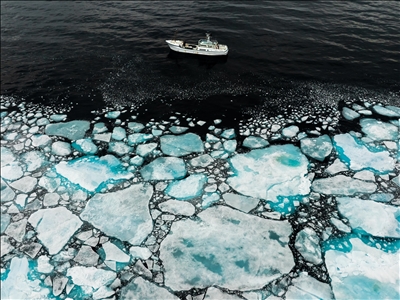
Thanks to carbon sinks, a portion of greenhouse gas emissions is balanced, and this process helps slow down the pace of global warming. Among the world’s largest carbon sinks are forests, oceans, and wetlands. Tropical rainforests, while rich in biodiversity, also store significant amounts of atmospheric carbon. Oceans not only absorb carbon dioxide but also enable the long-term storage of carbon in the deep sea and seabed through various ecosystem components.
Deforestation, the draining of wetlands, and the degradation of ocean ecosystems reduce the capacity of carbon sinks and accelerate global warming. Strengthening carbon sinks is among the key elements of both nature-based solutions and international climate policies. Therefore, carbon sinks stand as one of the most critical components in the fight against climate change.