Thailand floods kill 19, affect 700,000 in Bangkok as rains ease


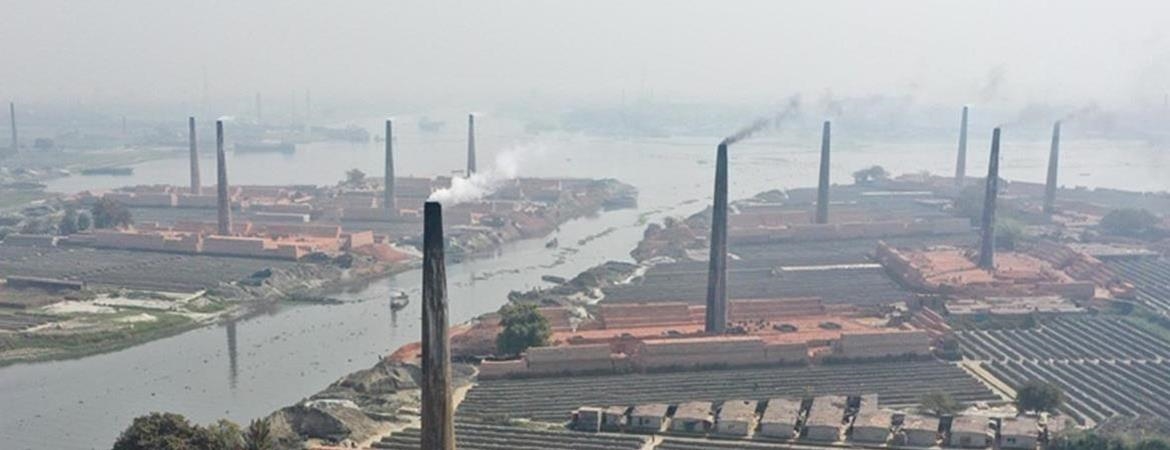
The amount of carbon dioxide in the atmosphere is increasing due to human activities, primarily the use of fossil fuels such as oil, coal, and natural gas, as well as natural and human-induced factors such as forest fires.
This increase in carbon dioxide also triggers climate change.
As an alternative to completely phasing out fossil fuel use, various technologies have been developed to reduce the amount of carbon dioxide in the atmosphere. One of these is carbon capture and storage, which aims to reduce carbon dioxide emissions released into the atmosphere.
With these technologies, which cover the processes of capturing, separating, safely storing, or re-injecting carbon dioxide, it can be separated from industrial facilities or directly from the air using special filtration systems.
The captured carbon dioxide is transported to suitable locations via pipelines or tankers, stored in underground reservoirs, or converted into new products.
However, the issue remains controversial within the scientific community. While some scientists argue that resources allocated to these technologies should instead be invested in renewable energy systems to accelerate the transition away from fossil fuels, others emphasize the necessity of carbon capture and storage as part of efforts to combat the climate crisis.