
Belgium issues orange alerts for heat, severe thunderstorms


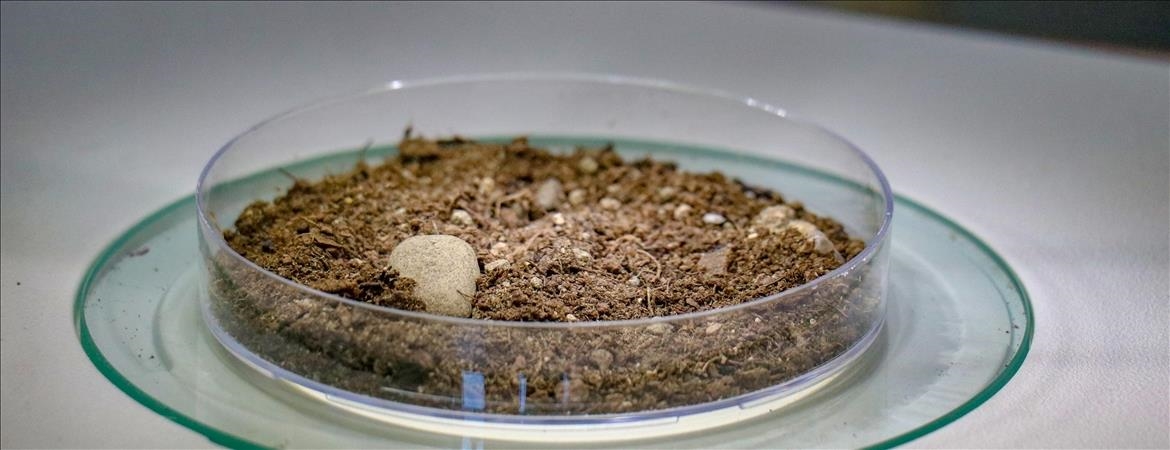
Biofertilizers are used to enhance soil fertility, promote plant growth, increase agricultural productivity and maintain long-term soil health.
They consist of live microorganisms that increase the availability of nutrients in the soil and form symbiotic relationships with plant roots. Therefore, they enhance soil fertility, protect the natural ecosystem, reduce the need for chemical fertilizers and increase crop yields.
Biofertilizers also improve the biological structure of soil by providing essential nutrients such as nitrogen, phosphorus and potassium. In addition, they enrich soil microflora, buildsoil organic matter and improve water retention capacity and aeration. Microorganism-based biofertilizers can also help plants absorb nutrients more efficiently.
Biofertilizers are classified into different categories based on their benefits and functions, including nitrogen fixers, phosphate solubilizers, potassium mobilizers, sulfur oxidizers, silicate solubilizers and decomposers.
Playing an important role in promoting sustainable agriculture and reducing chemical fertilizer use, biofertilizers are obtained from sources such as animal manure, plant waste, microorganisms, marine waste, green manure and vermicompost.