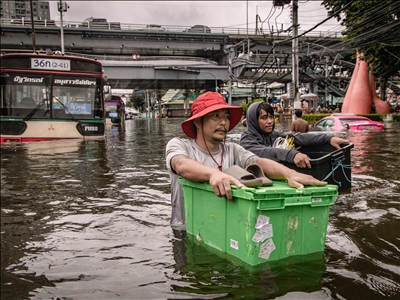
Thailand floods kill 19, affect 700,000 in Bangkok as rains ease


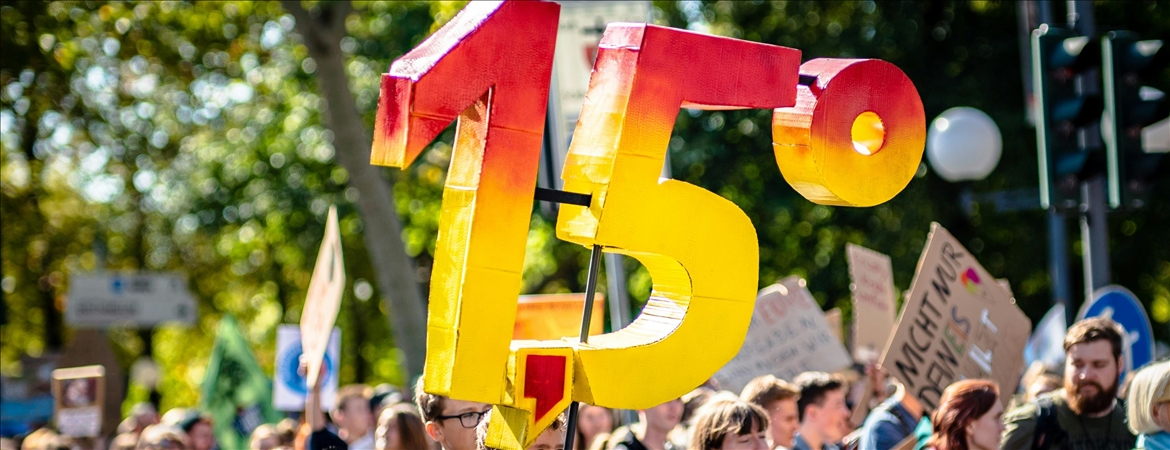
Experts warn that if the objective of limiting global warming to 1.5°C, as set in the Paris Agreement, is not met, the frequency and intensity of climate-related events will increase dramatically worldwide. Such disasters, which are expected to occur across wider regions, will lead to the extinction of numerous species, the destruction of nature and ecosystems, and will pose major risks to human life.
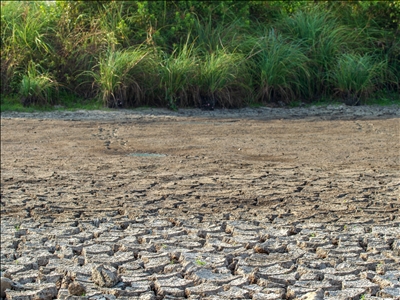
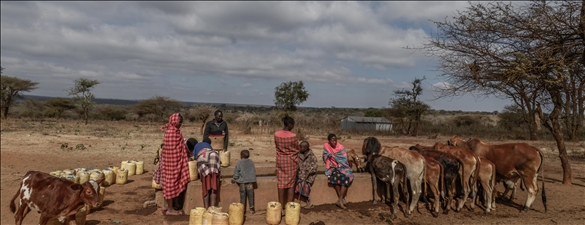
In addition to the direct health impacts of higher temperatures and the diseases they may trigger, extreme conditions such as drought and famine are projected to result in significant loss of life and mass migration.
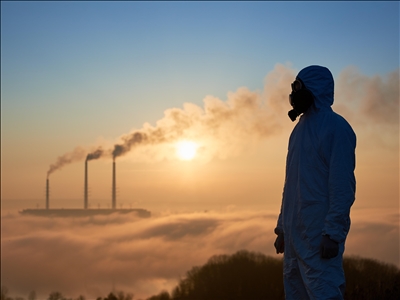
Achieving this target requires a gradual reduction in the use of fossil fuels, such as petroleum and coal, and a shift towards renewable energy sources.
An increase of 1.5°C may sound small, but in terms of global temperature averages, it represents a very serious change. To put this into perspective, we can compare the Ice Age with today’s climate conditions.
According to the National Oceanic and Atmospheric Administration (NOAA) 2021 Annual Global Climate Report, the average global temperature in the 20th century was 13.9°C, while in 2020 it was calculated at 14.9°C, roughly 1°C higher.
The University of Michigan stated that during the Last Glacial Maximum, when ice sheets reached their largest extent, the global average temperature was 7.7°C.
This means the peak of the Ice Age was only 5.2°C colder than the current global average. Therefore, an increase of only 1.5°C could have devastating consequences for both humanity and the planet.