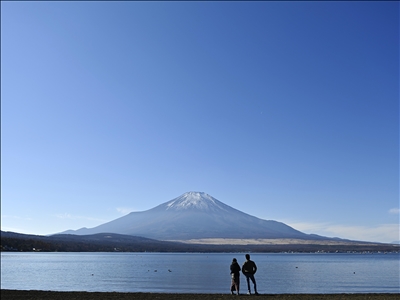
Mount Fuji struggles to balance tourism boom with safety and environmental pressures


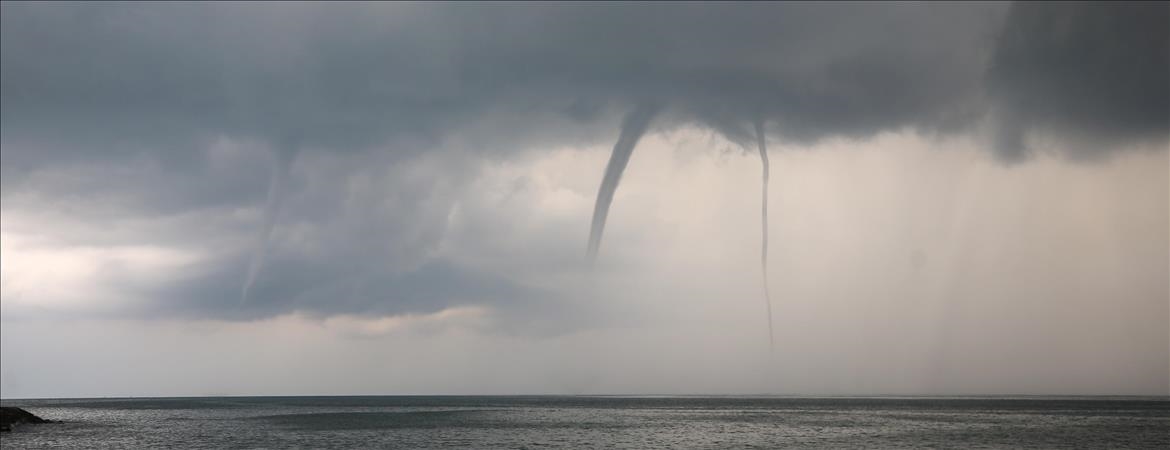
Because the air is highly unstable during this process, a spiral shape, known as a tornado, forms beneath the cloud base. As air quickly ascends from the surface, pressure and temperature drop, wind speed increases, and water vapor begins to condense. This condensation makes the spiral shape of air more visible and the atmosphere even more unstable, increasing the tornado’s strength.
As the spiral matures, the air it draws in from below cools rapidly and condenses, while intense downdrafts combine with hail, heavy rain, lightning, and thunder.
Although tornadoes are much smaller than tropical cyclones, they can be just as destructive. When they form over seas or lakes, they can pull up water from the surface, creating what is called a “waterspout”.