UK thunderstorm warning follows record-breaking May heat wave


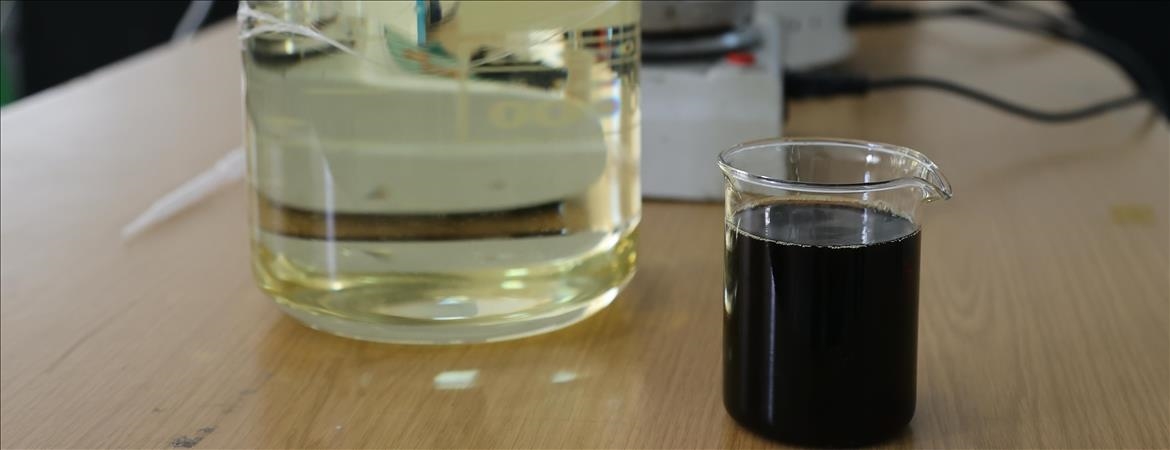
It is known as one of the renewable energy alternatives to fossil fuels such as oil and coal, derived from organisms or their metabolic processes.
Biofuel types
Biofuels are divided into three categories: biodiesel, bioethanol, and biogas.
Biodiesel: A biofuel obtained from vegetable oils and animal fats, used as an alternative to diesel or blended with diesel. It is produced from rapeseed, soybean, safflower and palm oil.
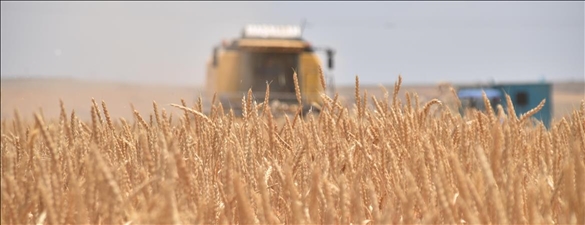
Bioethanol: A biofuel used as an alternative to gasoline or blended with gasoline, produced from sugary or starchy raw materials. Sweet sorghum, switchgrass, sugarcane, maize, wheat and sugar beet are among the products used as feedstock. Bioethanol is mainly obtained by converting starch into sugar, and sugar into ethyl alcohol. In Türkiye, bioethanol is primarily produced from sugar beet molasses (a sugar factory by-product), wheat and maize.
Biogas: Obtained from plant waste or animal manure. It can be used as a fuel for heating, as motor fuel, blended with natural gas, in production of chemicals or in fuel cells.
Sources of biofuels
Biofuel sources include organic materials such as plants, animal waste, wood and various organic residues.
Advantages
It is an eco-friendly energy source compared to those produced from fossil fuels.
It is considered a cheaper alternative when gasoline prices rise.
Disadvantages
Agricultural land used for biofuel production and chemicals such as fertilizers can contribute to environmental problems including water pollution and soil erosion.