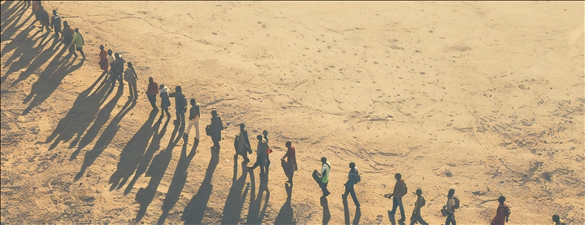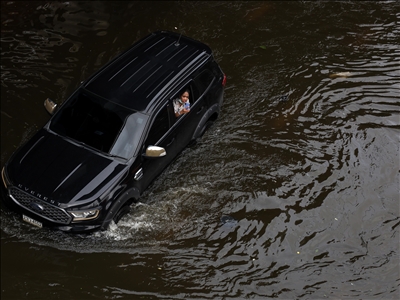
Floods affect over 2.6M people across Thailand


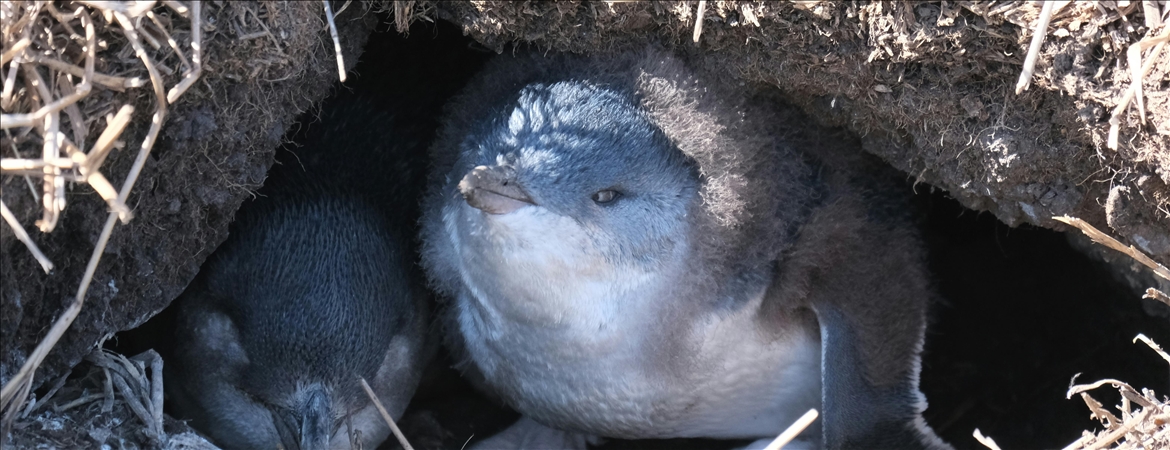
Australian wildlife authorities are vaccinating thousands of little penguins against H5 bird flu in a major effort to protect the species, as the virus separately reached a mammal for the first time in the country after a long-nosed fur seal in South Australia tested positive.
The campaign, which began Monday, targets up to 5,000 little penguins on Victoria's Phillip Island and at St Kilda in Melbourne. The birds will receive two doses of the vaccine, while teams will also conduct health checks, weigh and microchip them, the Victorian government said.
"This is a really important step in protecting our little penguins from the devastating impacts of avian influenza," Environment Minister Jaclyn Symes said when the program was announced Aug. 12.
On Aug. 15, authorities reported that a little penguin found dead on Phillip Island had tested positive for the virus, marking the first confirmed case in the species there.
Phillip Island is home to about 40,000 little penguins, the world's smallest penguin species. Authorities say the size of the colony and the birds' tendency to gather in large groups make them particularly vulnerable to infectious diseases.
Victoria's Chief Veterinary Officer Graeme Cooke said vaccination was an important tool but would not provide complete protection against infection.
The Victorian government has described the campaign as what is believed to be the world's largest vaccination program involving wild birds. Phillip Island Nature Parks is carrying out the operation with veterinary and wildlife specialists.
Australia records 1st case of bird flu in mammal
The vaccination drive comes as the virus's reach continues to widen, with Australia on Sunday confirming its first case of bird flu in a mammal after a long-nosed fur seal found in South Australia tested positive for the virus, local media reported.
Federal Agriculture Minister Julie Collins told reporters that the seal was found at Beachport, 300 kilometers south of the state capital Adelaide, the Australian Broadcasting Corporation reported.
"Although this is a concerning development, it is not unexpected for us to start to see infection in other wildlife, particularly in marine mammals, particularly in areas where there are high infection rates in wild birds," Collins said.
The infection was likely caused by exposure to infected wild birds or their shared environment, she said, adding that the detection did not appear to be associated with any other sick or dead marine mammals.
There have now been 298 positive H5 bird flu cases recorded in Australia since the outbreak, with 194 of those in South Australia.
"At this stage there is no evidence of infection in our poultry or agriculture systems," Collins said.
South Australia Environment Minister Emily Bourke said there were "devastating numbers" of detections in the state, with the fur seal case "something we always knew would be coming."
She said there is "no cure" or ability to stop bird flu, but the government is working very closely with the federal government on its national vaccination program.
She urged pet owners to keep their dogs on leads and cats indoors.