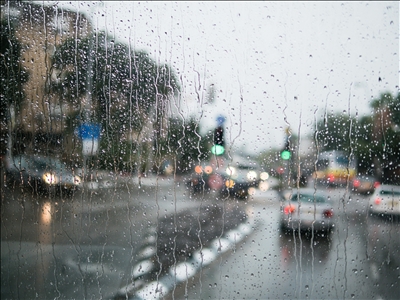
Belgium issues orange alerts for heat, severe thunderstorms


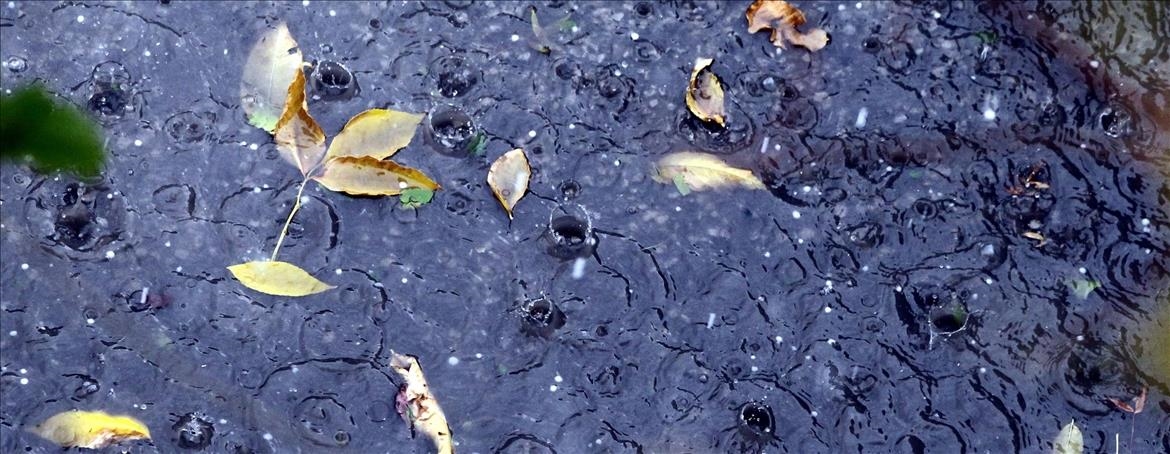
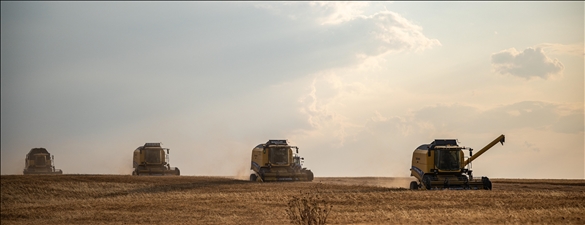
The water obtained through rainwater harvesting can be used either directly or after treatment in agricultural irrigation activities in rural areas and to meet the water needs of green areas in urban spaces. In this way, instead of using existing water resources for such irrigation activities, the water collected through rainwater harvesting is used, allowing to save water.
The rainwater collection system inside a house works in its simplest form as follows: First, rainwater collected from the roof passes through a filter that traps large particles and then flows into the rainwater storage tank. The stored water is pumped from the tank to areas inside the house where it is needed, such as the washing machine or toilet cistern.
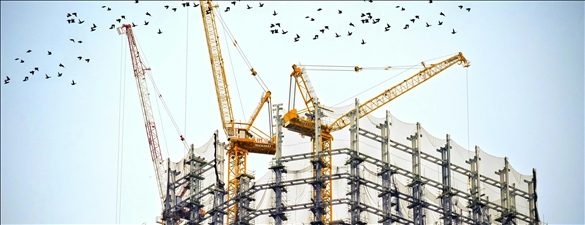
Today, reinforced concrete areas that do not allow water to penetrate occupy large spaces in cities. As concrete surfaces increase and green areas decrease, rainwater is unable to seep into the soil and flows over the surface, mostly being collected through sewer systems.
This situation affects the hydrological cycle by reducing the amount of rainwater that feeds groundwater, while during periods of heavy rain, rainwater entering the sewage system negatively affects treatment systems.
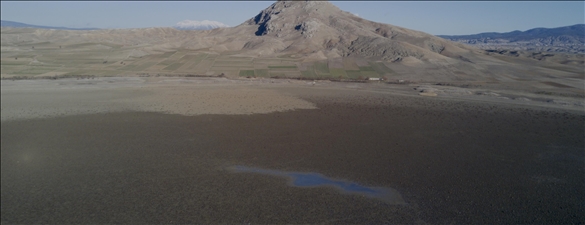
Due to factors such as population increase, drought, climate changes, and global warming, it is becoming harder each day to access clean water sources, making it necessary to implement new methods for the management of sustainable water resources. Many of these factors are leading to the widespread of rainwater harvesting practices in many parts of the world.