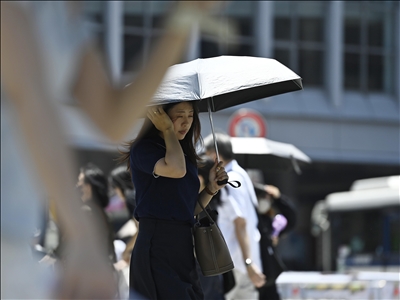
Japan’s Fukuoka sees record temperatures as heat wave leaves 79 dead


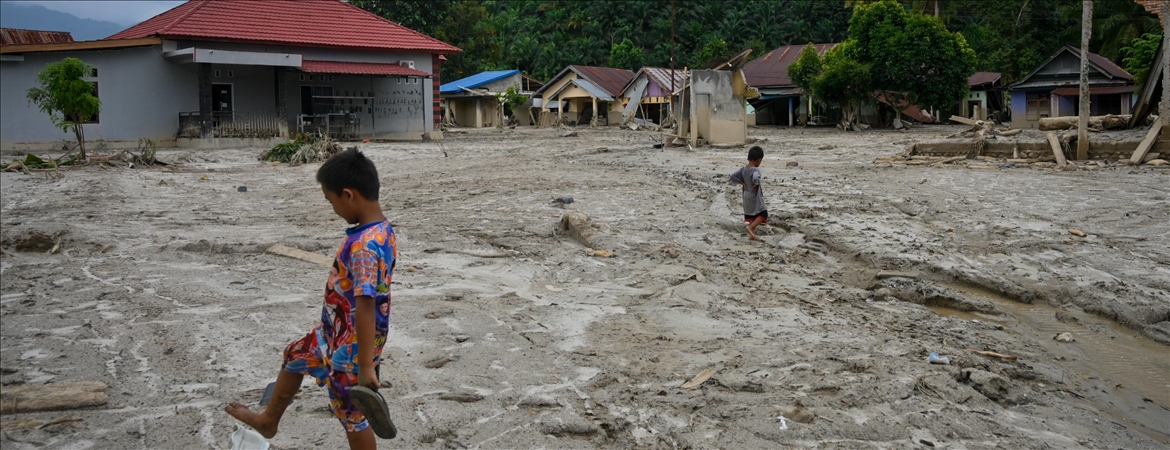
The climate crisis is a child rights crisis, and every climate decision is also a decision about children, UNICEF Representative to Türkiye Paolo Marchi has warned.
Speaking to Anadolu, Marchi said climate-related hazards such as heatwaves, droughts, floods, storms and wildfires affect nearly every aspect of children's lives, from health and nutrition to education, protection and access to safe water and sanitation.
Citing UNICEF's newly released Children's Climate Risk Report 2026, Marchi said the findings show that almost every child worldwide is exposed to at least one climate or environmental hazard.
"Around 1.1 billion children are exposed to at least three overlapping climate threats, while more than four million children face six hazards simultaneously," he said.
He added that climate shocks can also disrupt schooling, damage essential services and increase risks associated with poverty and displacement.

Vulnerability varies by geography
Marchi stressed that climate change does not affect all children equally, noting that access to resilient schools, health services, reliable water systems and social protection mechanisms can make a crucial difference.
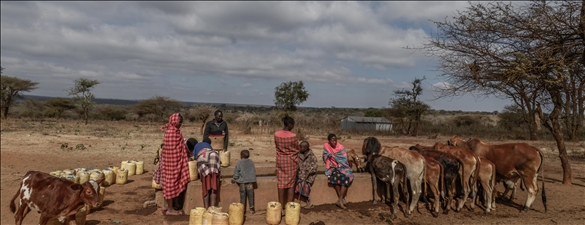
He noted that children in the Sahel region, South Asia and Small Island Developing States are among the most exposed to multiple and overlapping climate risks, but added that no region is immune.
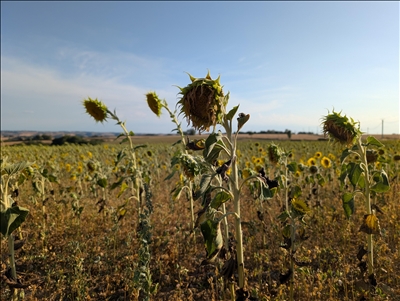
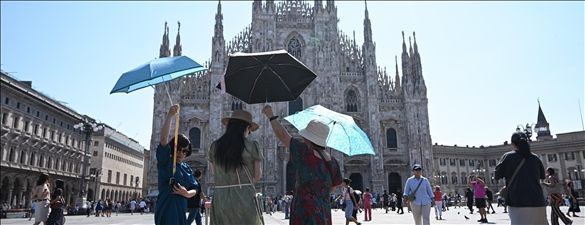
"Mediterranean countries, including Türkiye, are increasingly experiencing droughts, heatwaves and water stress, with important implications for children and the systems they rely on," he said.

Only 2.4% of climate finance reaches children
Marchi warned that children remain largely invisible within climate finance flows.
"UNICEF analysis shows that only 2.4% of funding from major multilateral climate funds can currently be identified as supporting activities that respond to children's needs. This presents an important opportunity to strengthen child-responsive climate finance and ensure that investments support the systems and services children rely on every day, including health, education, water and sanitation, nutrition and social protection. These investments not only help protect children from climate shocks but also strengthen the resilience of entire communities."
He added that COP31, to be held in Antalya in November, can help advance this discussion by drawing greater attention to how climate finance can support implementation on the ground and deliver measurable benefits for children and young people.

'COP of the Future' vision for COP31
Marchi said COP31 presents a unique opportunity to ensure that children and young people are more visible in climate discussions.
He noted that Türkiye's vision of a "COP of the Future" and its emphasis on dialogue, cooperation and partnerships provide an important opportunity to place the needs and aspirations of future generations more firmly at the centre of climate action.
He recalled that Türkiye is co-hosting COP31 with Australia, adding that the partnership brings together perspectives from different regions and highlights the diverse ways children and young people experience climate change.

'Every climate decision is also a decision about children'
Outlining what UNICEF hopes to see from COP31, Marchi called for greater investment in child-responsive climate finance, stronger adaptation efforts, more resilient social services, increased investment in climate education and green skills, and more meaningful opportunities for children and young people to participate in climate decision-making.
He concluded with a clear message to all parties preparing for the negotiations.
"Every climate decision is also a decision about children. The choices we make today are shaping the world in which children and young people live and will inherit tomorrow. Children and young people should not be viewed only as beneficiaries of climate action. Their voices deserve to be heard, and their rights should remain at the centre of climate action. If we succeed in building more resilient systems and communities for children, we will also be building a more resilient future for everyone."