Australia’s largest poultry farm closed after 2nd deadly case of H5 bird flu detected


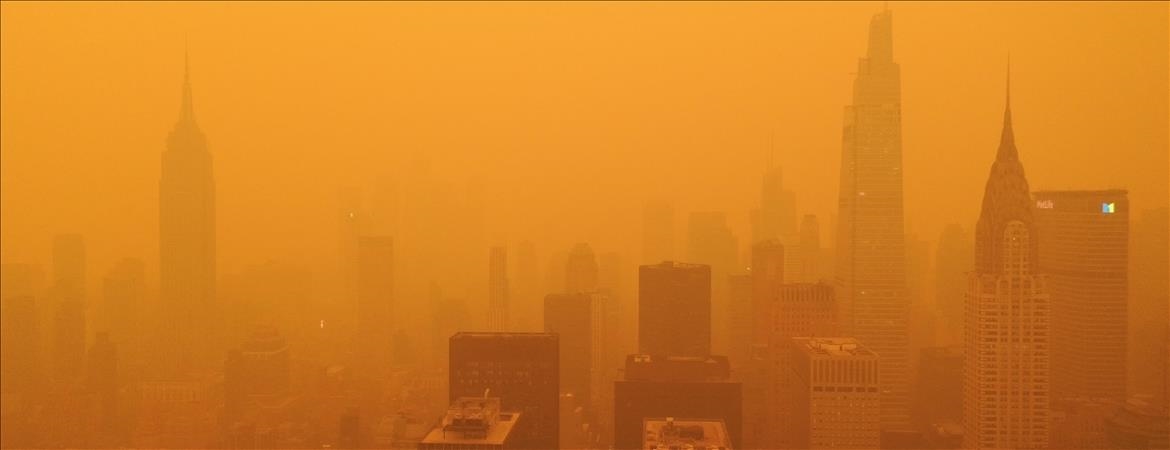
Some particulate matter is emitted directly into the atmosphere, while others form when pollutants released from various sources react with different gases in the air. Particulate matter can exist in a wide range of sizes in the air.
In this context, two commonly used abbreviations describe particulate matter based on particle size:
- PM2.5: Refers to particles with a diameter smaller than 2.5 micrometers, also known as fine particles.
Both the European Union (EU) and the World Health Organization (WHO) use PM10 and PM2.5 as key indicators in their studies on air pollution and related issues.
Particulate matter can pose serious threats to health because it may contain heavy metals such as mercury, lead, and cadmium, as well as carcinogenic chemicals. Long-term exposure to particulate matter containing such chemicals, such as soot, fly ash, gasoline and diesel exhaust particles that carry such substances can lead to a range of health problems, including cancer.
Countries with the highest levels of particulate matter in the air include China, India, Pakistan, Chad, Iraq, Iran, and Bangladesh.