SARAJEVO
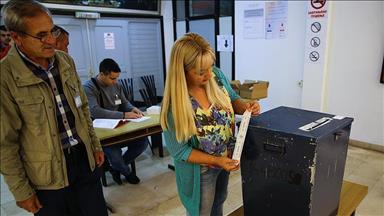
Bosnia Herzegovina's first population census after 22 years of the war will be counted in September, 2013, essential for political representation and rights of the country.
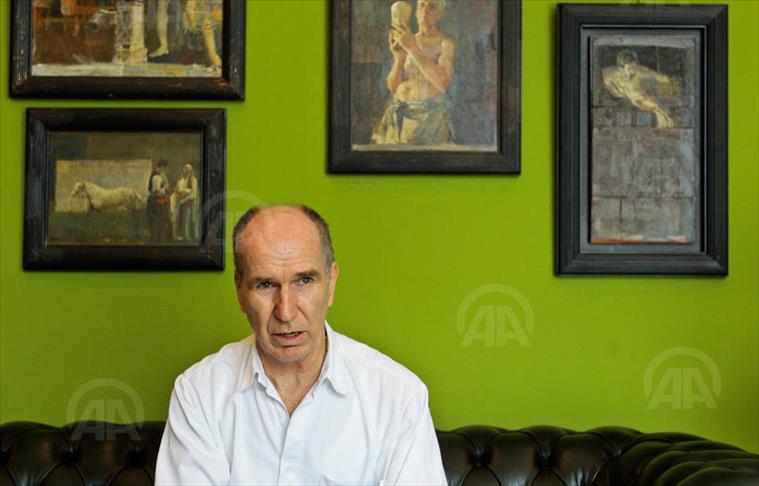
The census is important for the future of Bosniaks, who were described only as 'Muslims' in the past and not with their ethnicities, University of Sarajevo's Faculty of Theology professor Dr. Hilmo Neimarliya told AA in an exclusive interview, adding that the census will give them the opportunity to express themselves as 'Bosniak' for the first time in international platforms.
"Population census is important in terms of its being the first time after the war started to annihilate the most crowded Bosniak community in the country. Results of the census will directly affect the distribution of collective political rights and powers. Bosniak, Serbian, Croatian and others' existences and representations in Bosnia Herzegovina's certain institutions will be designated according to these," Neimarliya said.
Neimerliya stated demographic structure of the country, where genocide was committed was tried to be changed during the war, adding Bosniaks were either killed or forced for migration. As for the migrations, Bosniaks' representations in some residential areas were limited, Neimerliya stressed.
After the former Yugoslavia Union was broken into pieces, Bosnia Herzegovina remained as the only one in the region in 2011, where population census was not counted.
The war between 1992-1995 in Bosnia Herzegovina caused hundreds of thousands people either to die or to migrate, where the population census changed. Serbian, Bosniak and Croatian leaders in the country could not settle with each other on 'law on population census'. Compromise was achieved in December 2011 on counting the population census, one of main provisions of Bosnia Herzegovina's application for candidacy status to European Union (EU).
A population census was counted lastly in 1991 March in Bosnia, where 43% Bosniaks, 31% Serbians and 17% Croatians were counted. 4.370 million people in total were living in Bosnia Herzegovina.
englishnews@aa.com.tr